

25 Powerhouse Pollinator Plants for Zone 5
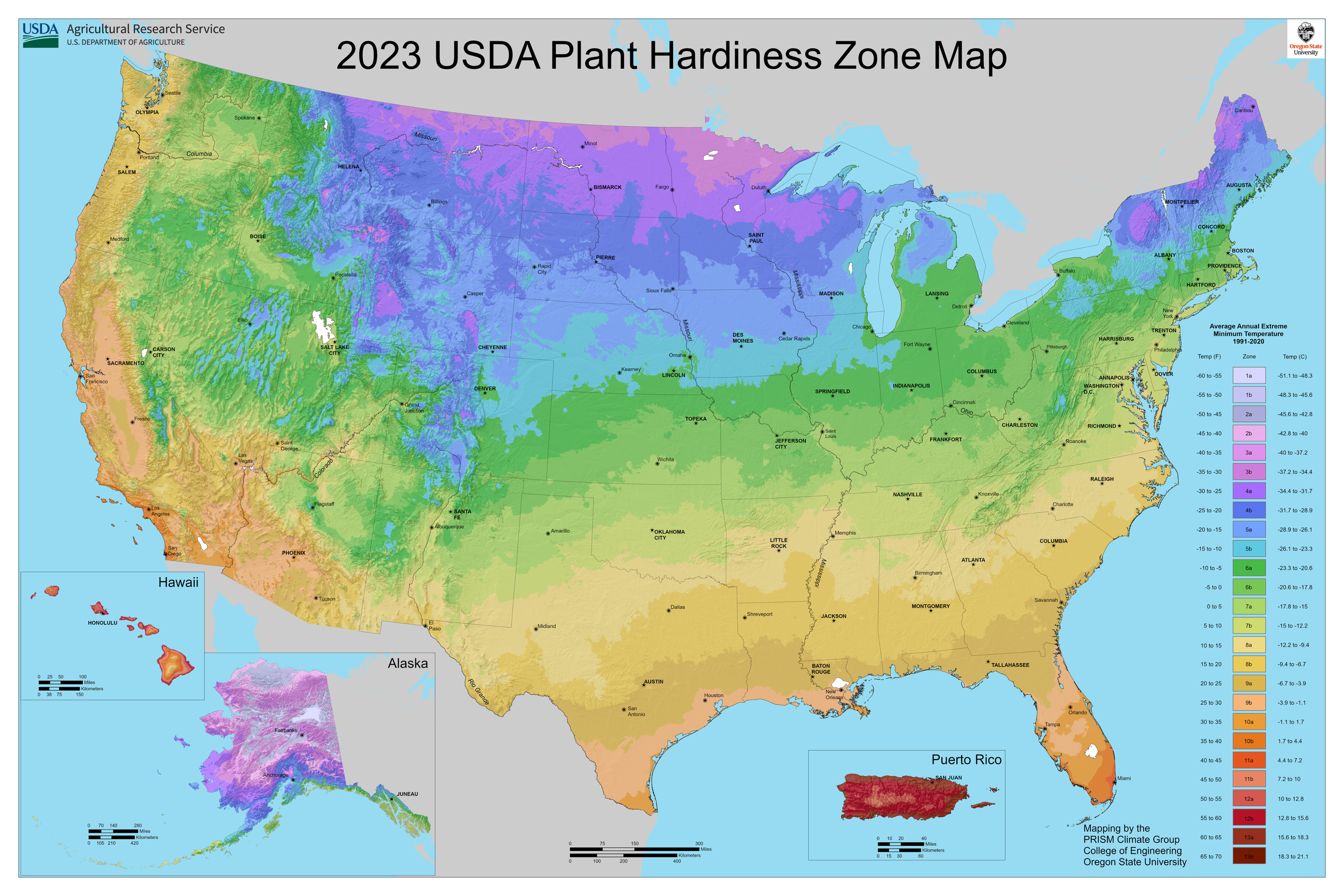
Let’s be honest: gardening in USDA Hardiness Zone 5 is an act of bravery. We deal with winters where the mercury can plummet to -20 (F) degrees and our growing season often feels like a sprint. But there is nothing quite as rewarding as watching your backyard transform into a bustling sanctuary for honeybees, native "flying teddy bear" bumblebees, and those iconic Monarch butterflies.
The secret to a successful pollinator garden— especially in our neck of the woods— is succession. You want to provide a continuous "buffet" from the moment the snow melts until the first hard frost.
Here are my 25 favorite plants that are rugged enough for our winters and irresistible to our local pollinators.
In case you don’t know what zone you are in, here is a map per the USDA.gov site:
Early Spring: The "Welcome Home" Breakfast
In early spring, our local queens are emerging from hibernation and migrating birds are just getting back. They are hungry, and these plants are their lifesavers.
1. Pussy Willow (Salix discolor)
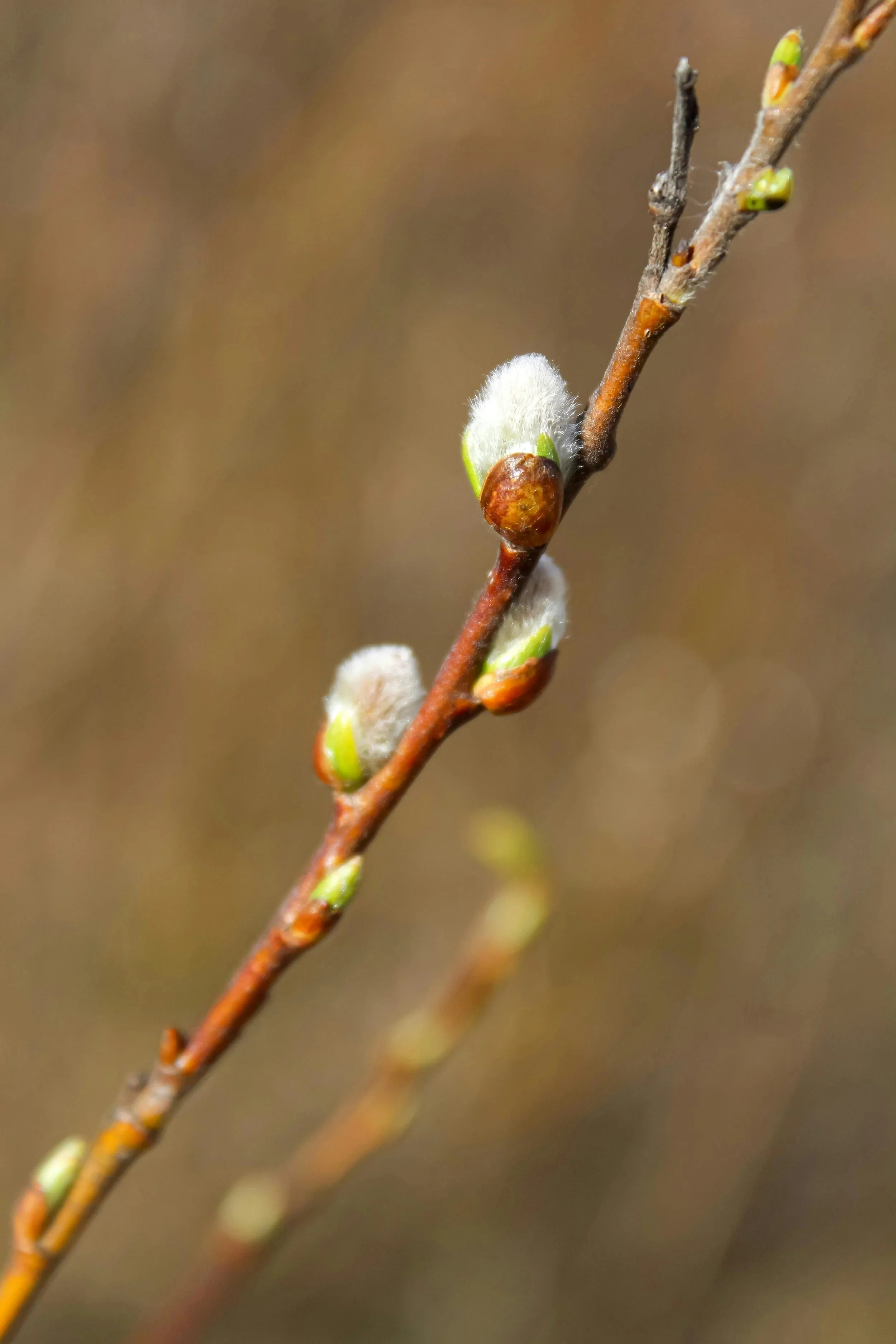
There’s nothing quite like seeing those fuzzy catkins to tell you spring is actually coming. These are one of the very first sources of pollen and nectar. If you have a soggy spot in your yard where nothing else grows, put a Pussy Willow there—it’ll be happy, and the bees will thank you.
2. Serviceberry (Amelanchier spp.)
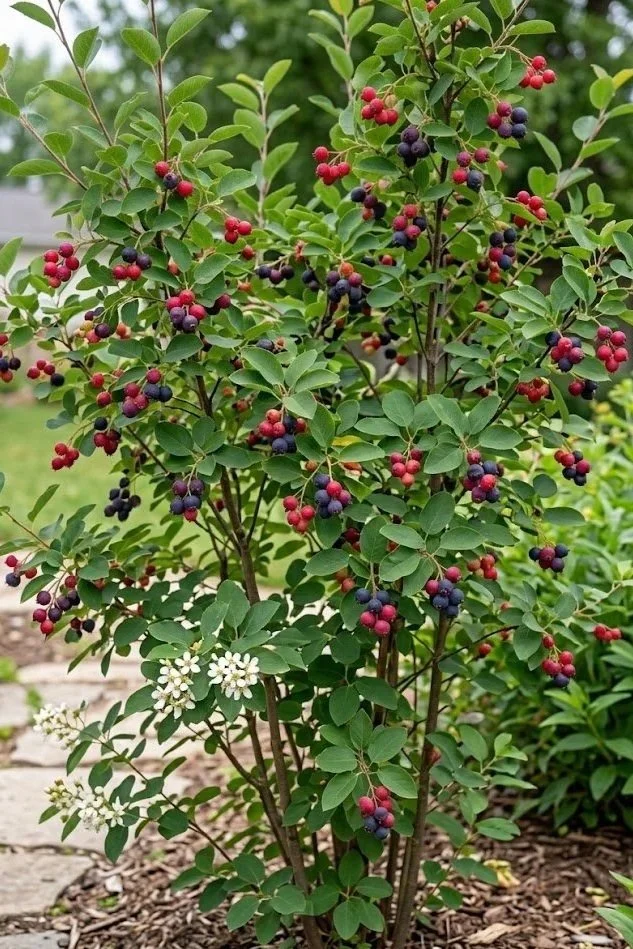
I love Serviceberries because they give so much. You get clouds of white flowers for the bees in April, delicious berries for the birds (and your pie) in June, and stunning orange foliage in the fall. It’s a true "workhorse" for a Zone 5 landscape.
3. Wild Columbine (Aquilegia canadensis)
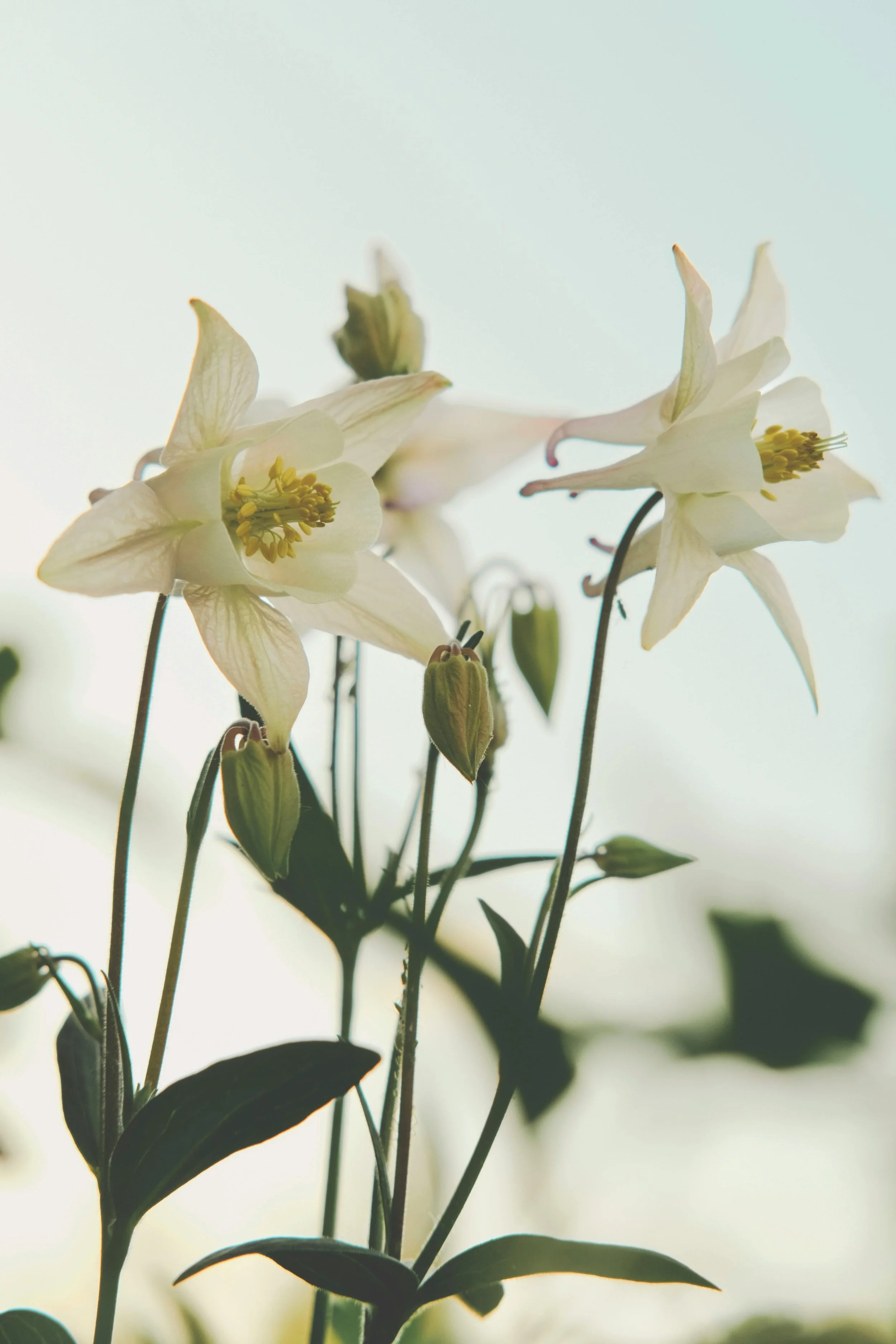
If you want to see hummingbirds, you need this plant. Those red and yellow spurred flowers are perfectly designed for their long tongues. They’re also surprisingly tough and will happily self-seed in part-shade areas.
4. Golden Alexanders (Zizia aurea)
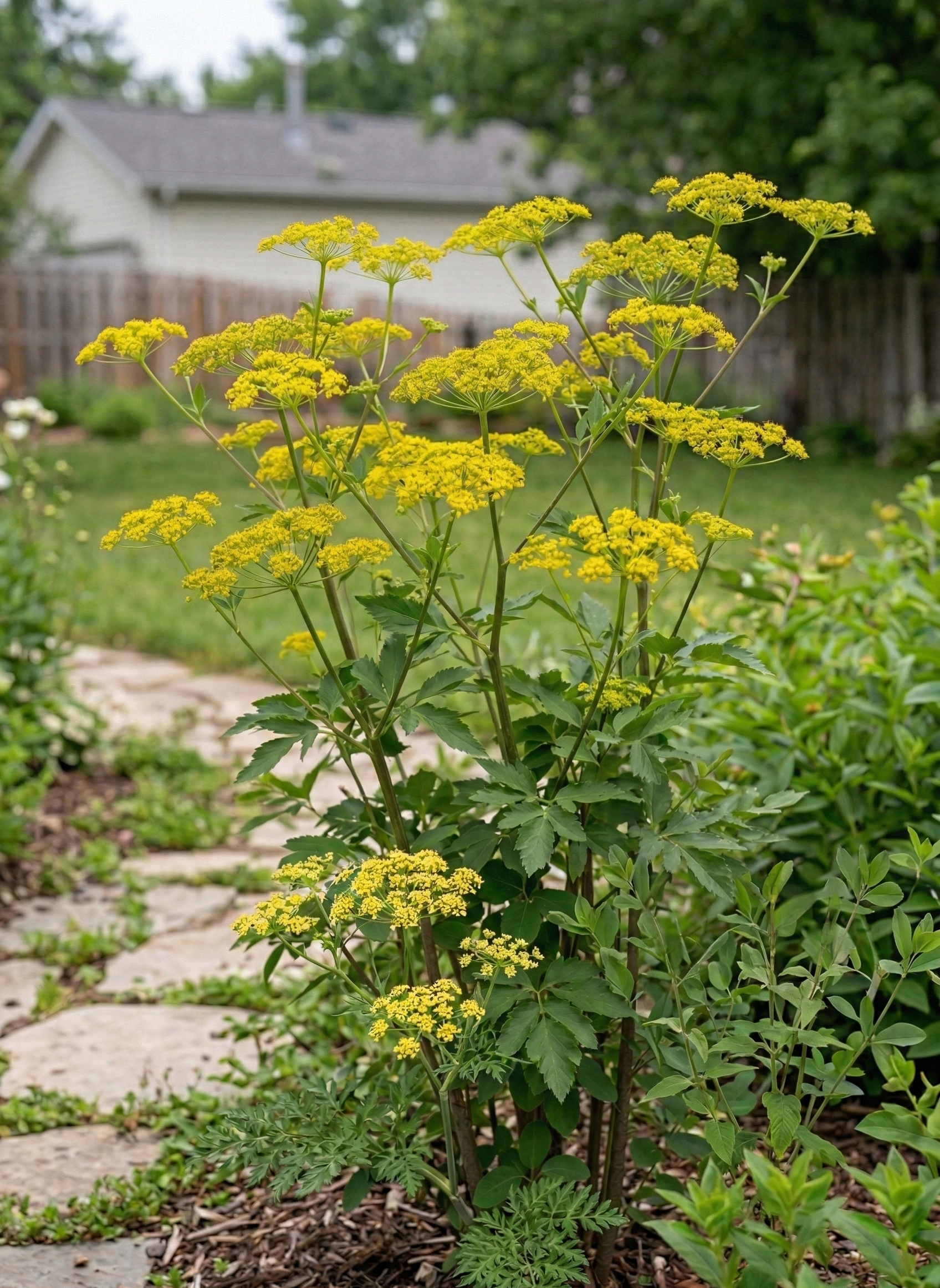
This is a member of the carrot family, which makes it a crucial host plant for Black Swallowtail caterpillars. It provides early-season nectar for short-tongued bees that can’t reach into deeper flowers.
Late Spring to Early Summer: The High Season
This is when the garden really starts to wake up. The diversity of pollinators explodes during this window.
5. Blue False Indigo (Baptisia australis)
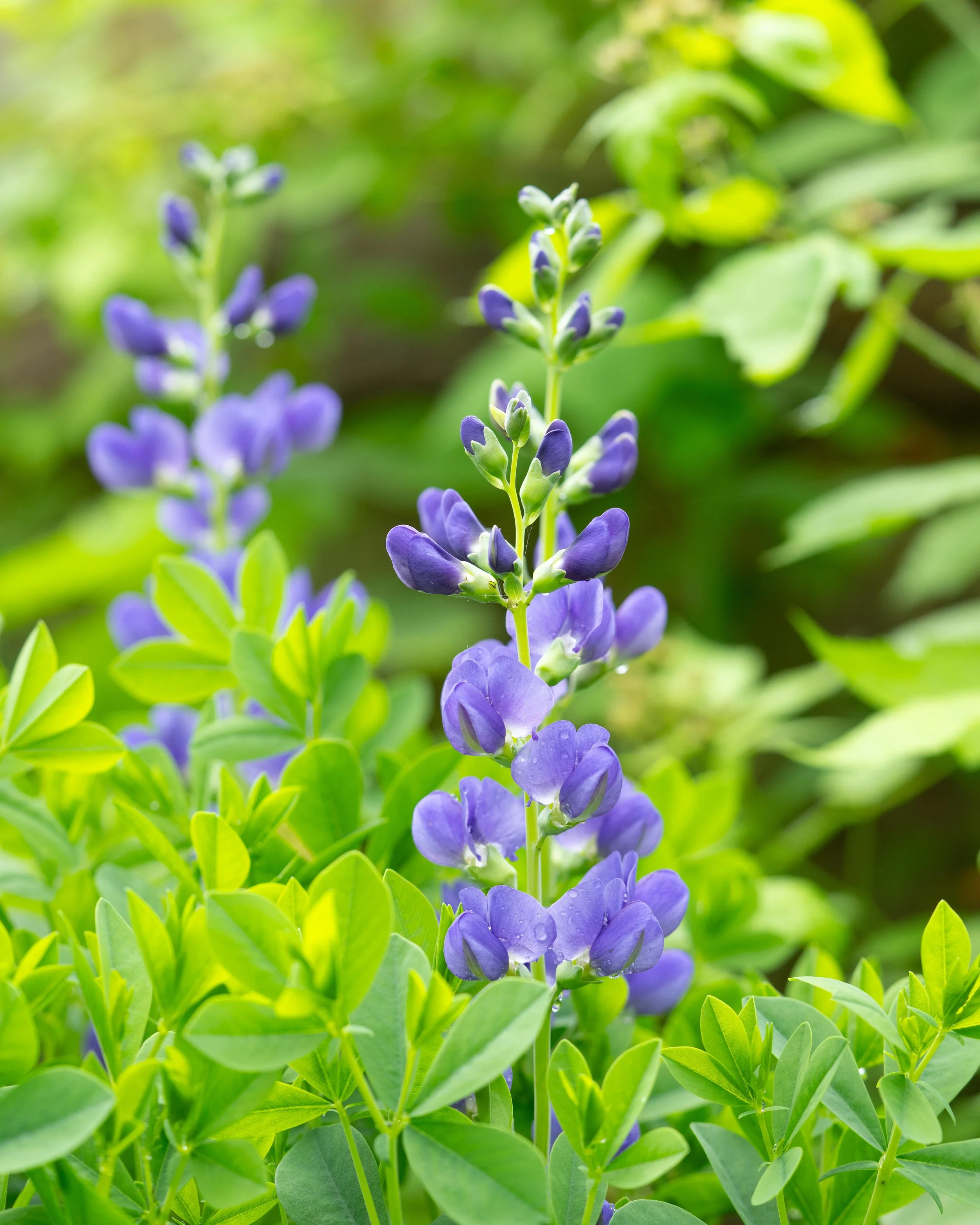
Watching a massive bumblebee muscle its way into a Baptisia flower is one of my favorite garden pastimes. These plants take a few years to establish, but once they do, they have deep taproots that make them practically bulletproof against our mid-summer droughts.
6. Foxglove Beardtongue (Penstemon digitalis)
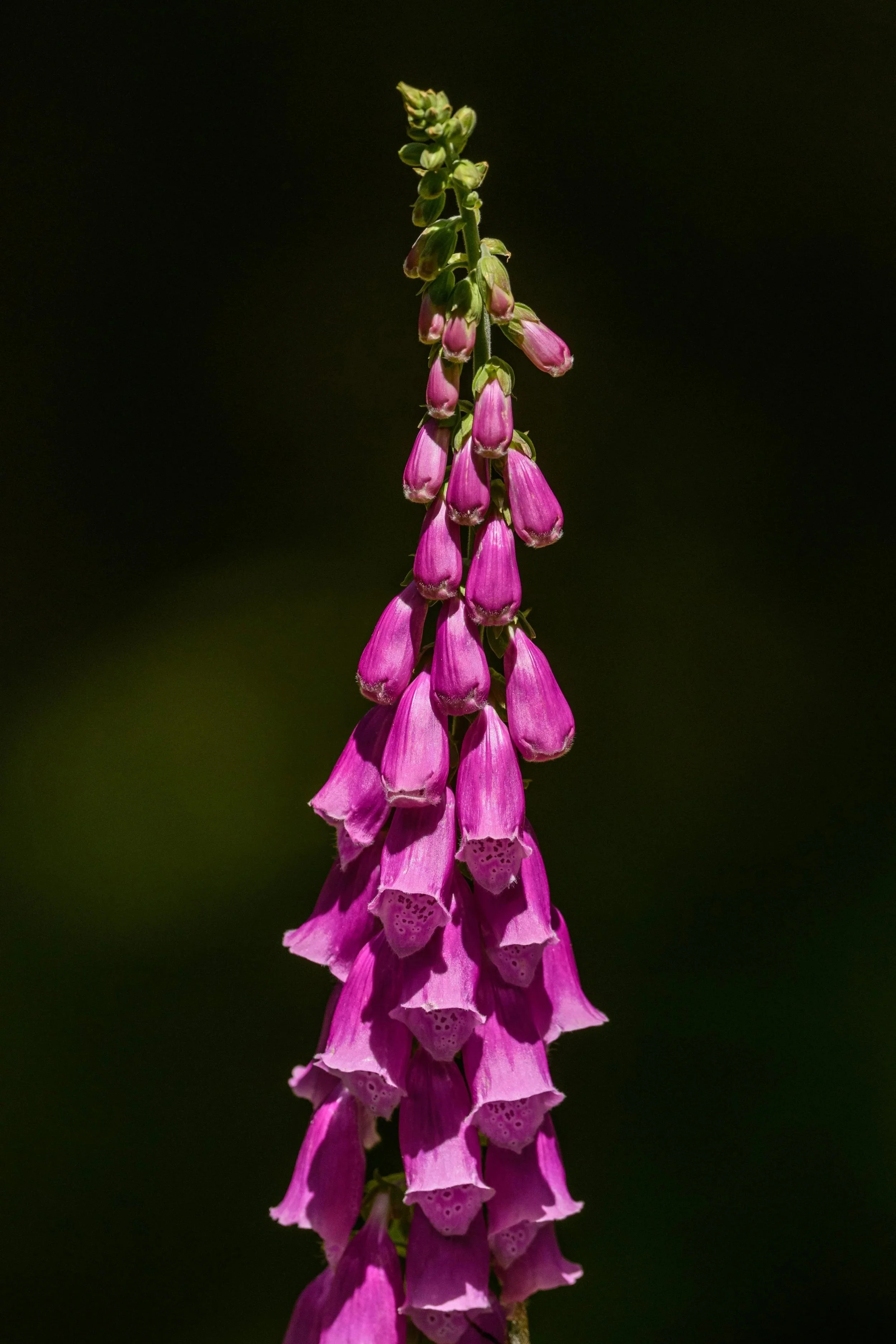
Don't let the name "Beardtongue" scare you off. These white, tubular flowers are like little landing pads for bees. They’re incredibly easy to grow and look great grouped together in the middle of a border.
7. Catmint (Nepeta x faassenii)
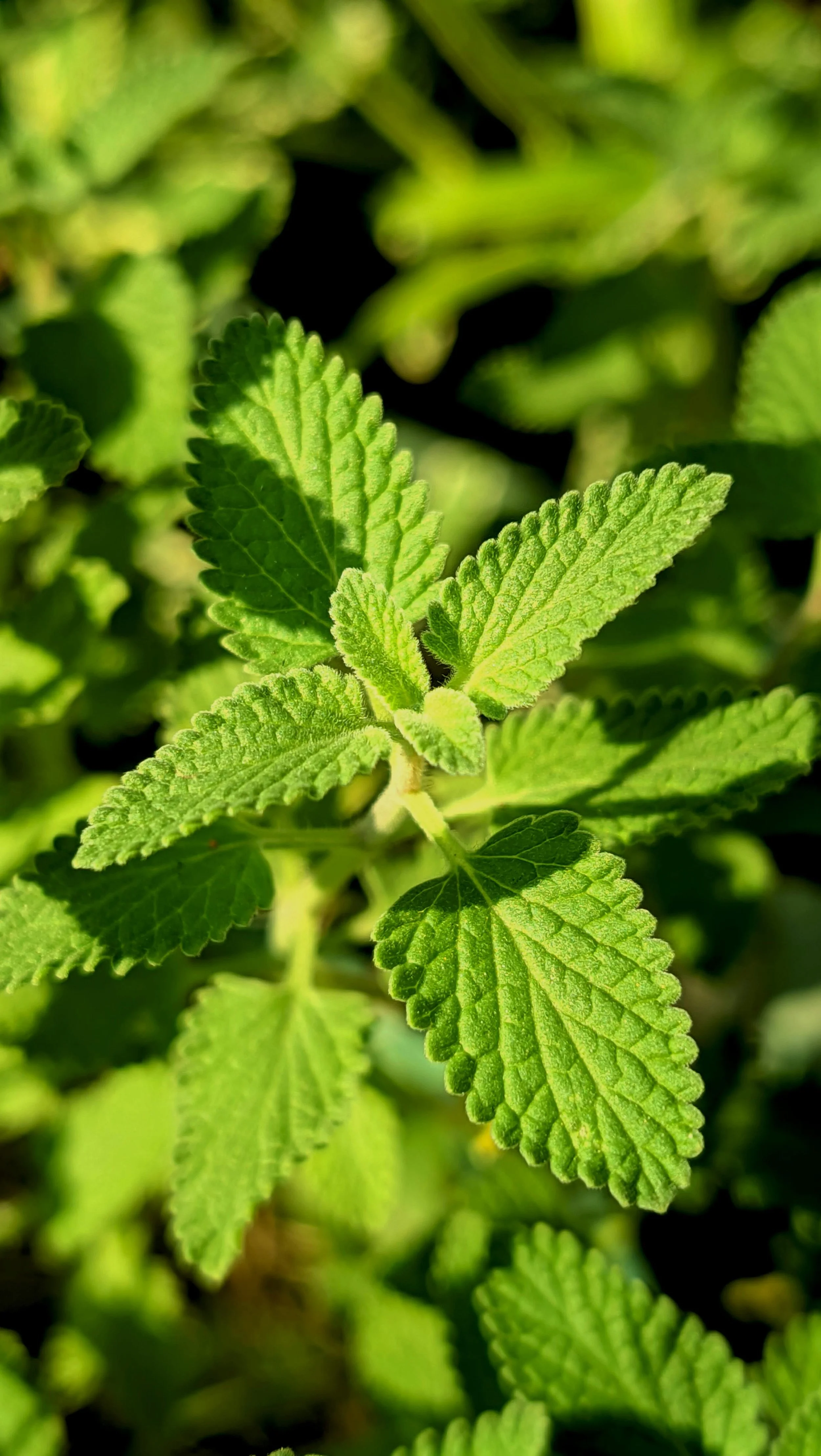
If I could only pick one "easy" plant, this would be it. It blooms forever.
Pro tip: after the first big flush of purple flowers starts to fade, shear it back by half. It will grow back and bloom all over again, keeping the bees fed through August.
8. Common Milkweed (Asclepias syriaca)
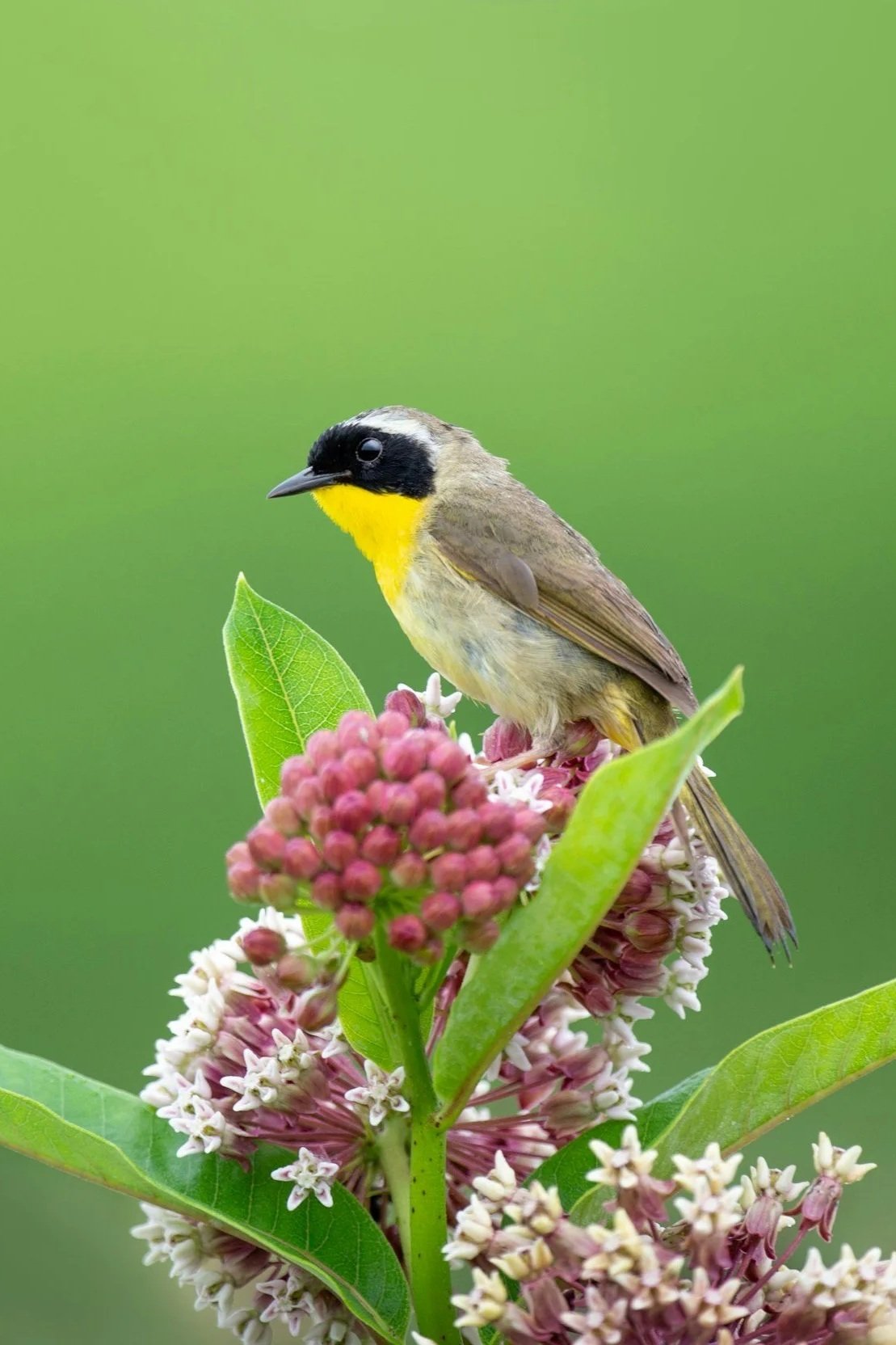
If you want Monarchs, you must have milkweed. It’s the only thing their caterpillars eat. It can be a bit of a garden thug (it spreads!), so if you have a smaller space, look for Butterfly Weed (Asclepias tuberosa) instead—it’s shorter and stays in its lane.
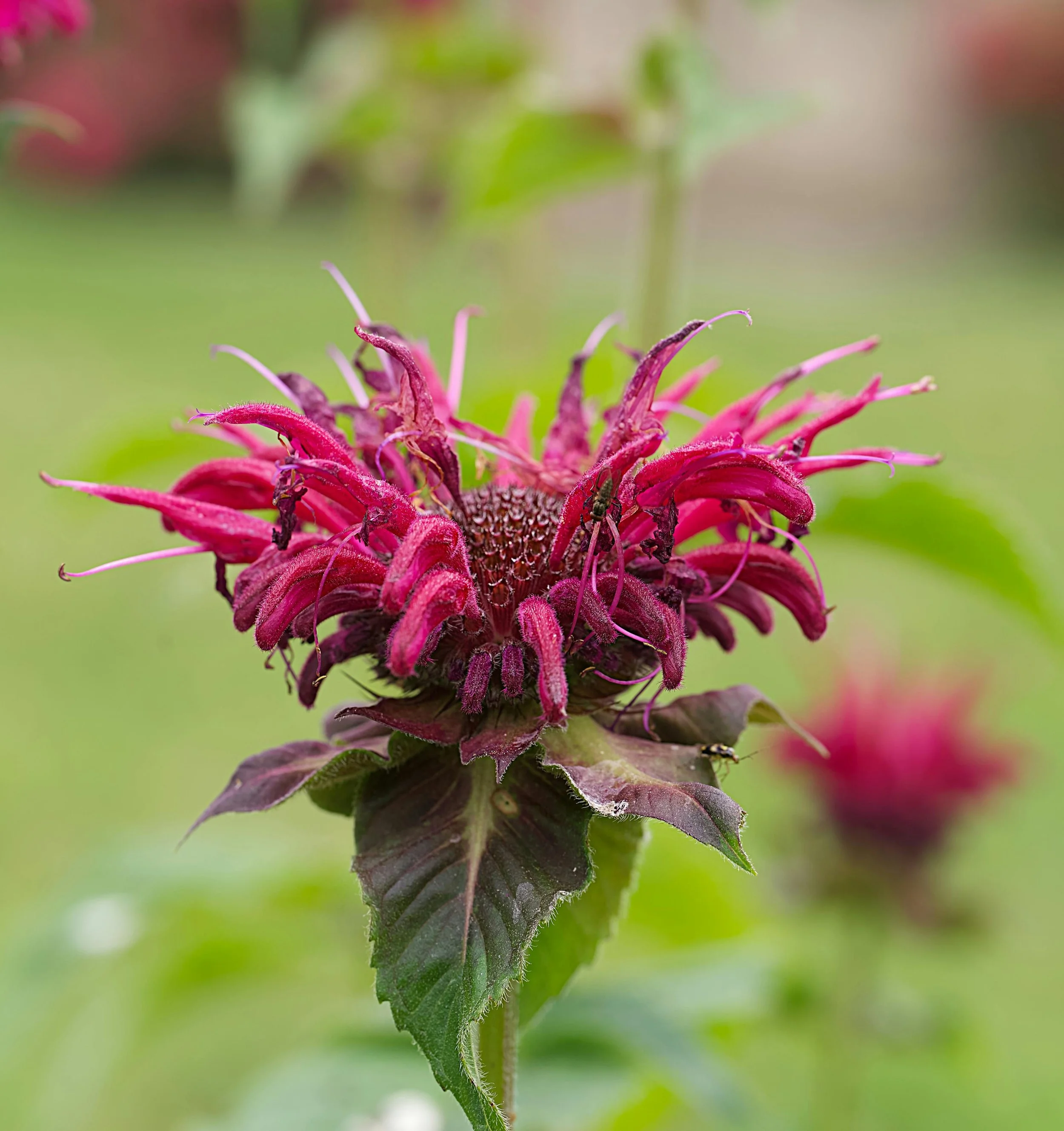
9. Wild Bergamot / Bee Balm (Monarda fistulosa)
Whatever it is, the way you tell your story online can make all the difference.
Mid-Summer: The Heat Seekers
When the July heat hits, these are the plants that don't break a sweat.
10. Purple Coneflower (Echinacea purpurea)
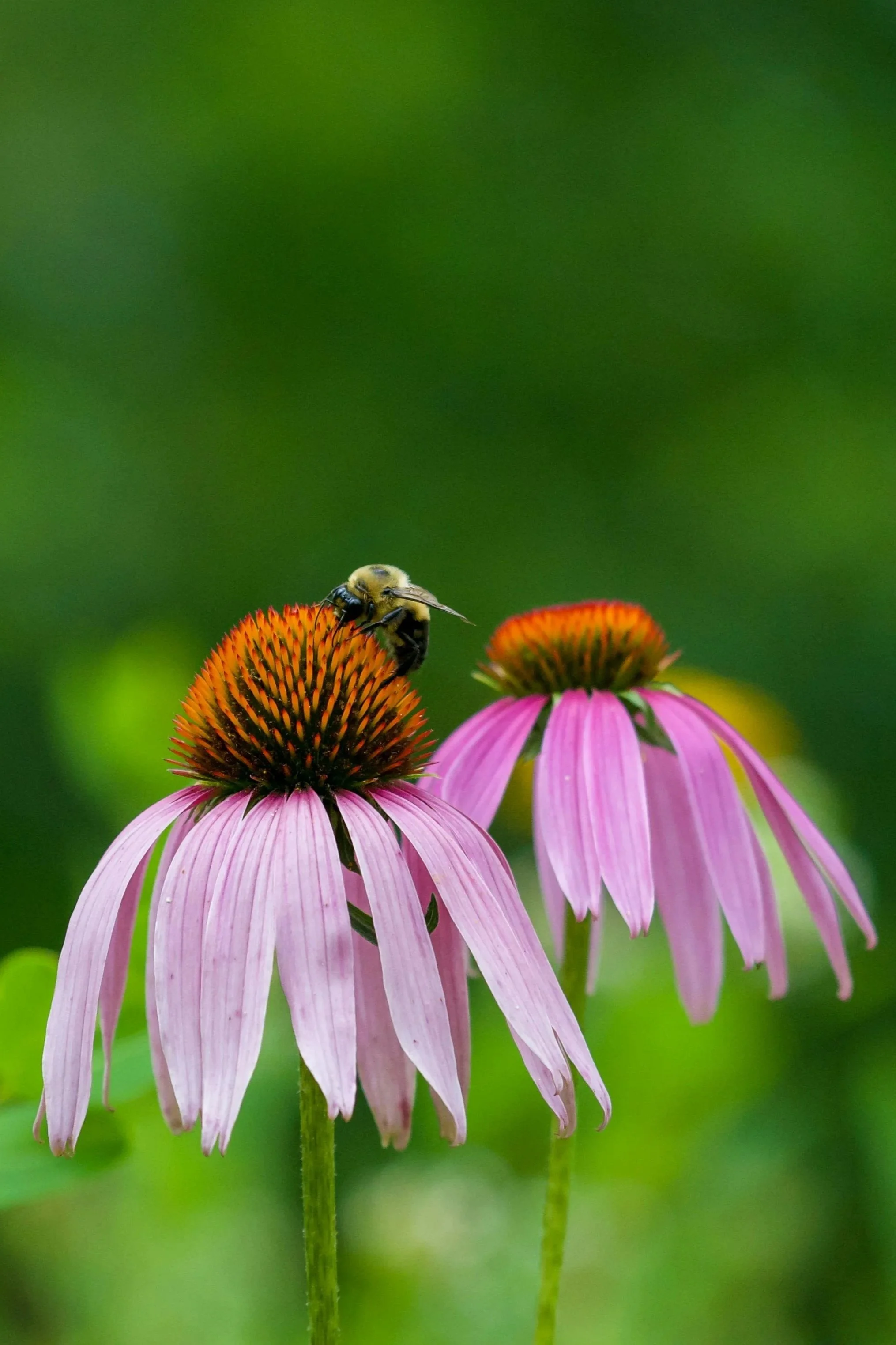
A classic for a reason. Once these are established, they are incredibly drought-tolerant.
Pro-tip: leave the seed heads up in the winter! Goldfinches and Chickadees love to perch on them and snack on the seeds when the ground is covered in snow.
11. Black-Eyed Susan (Rudbeckia)

You can't go wrong with these "cheerful" yellow daisies. They provide easy access to nectar for a huge variety of "generalist" pollinators who might struggle with more complex flower shapes.
12. Anise Hyssop (Agastache foeniculum)
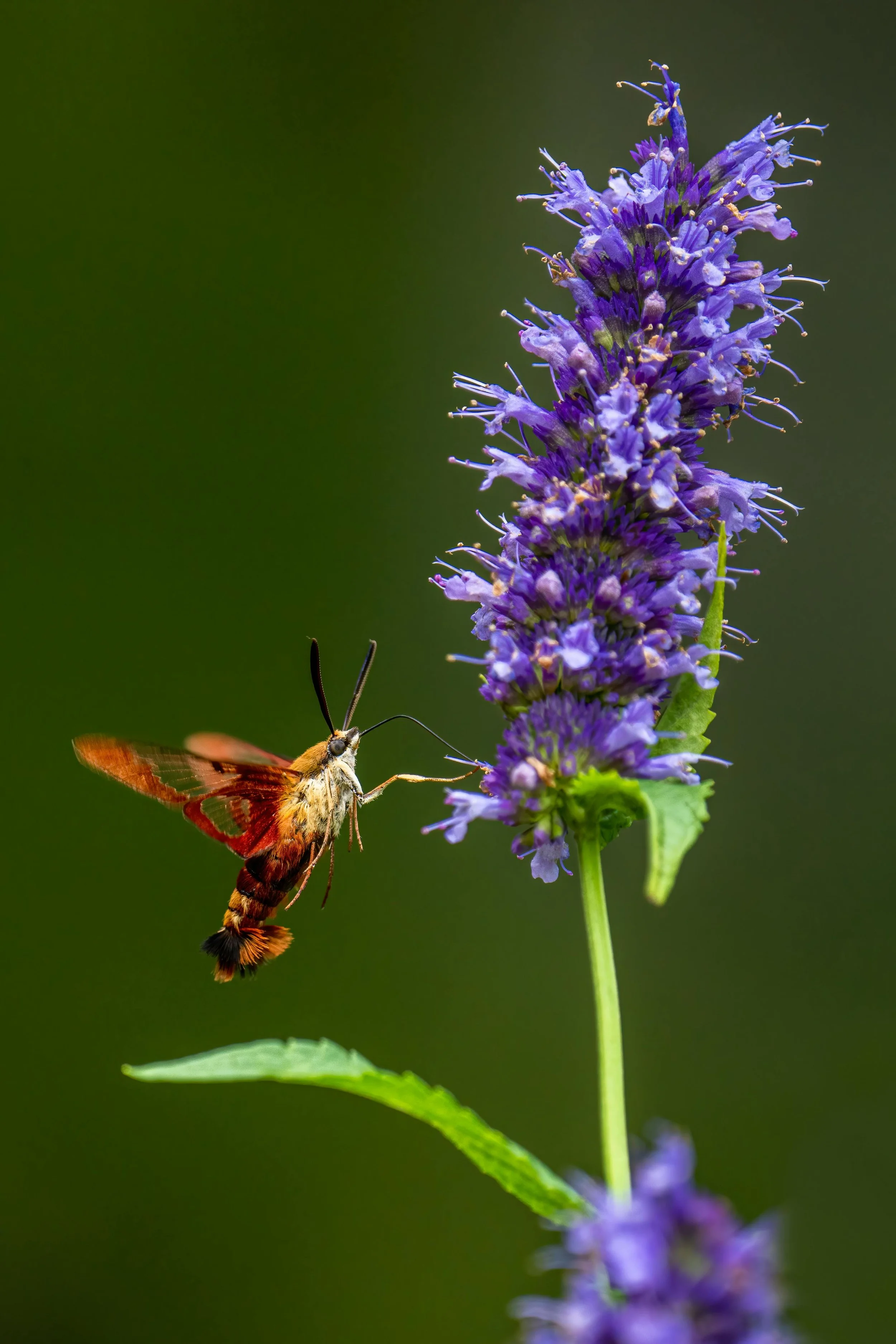
Seriously, if you want to see a bee party, plant this. It smells like licorice and attracts more bees per square inch than almost any other plant in my garden. It’s a true showstopper.
13. Blazing Star (Liatris spicata)
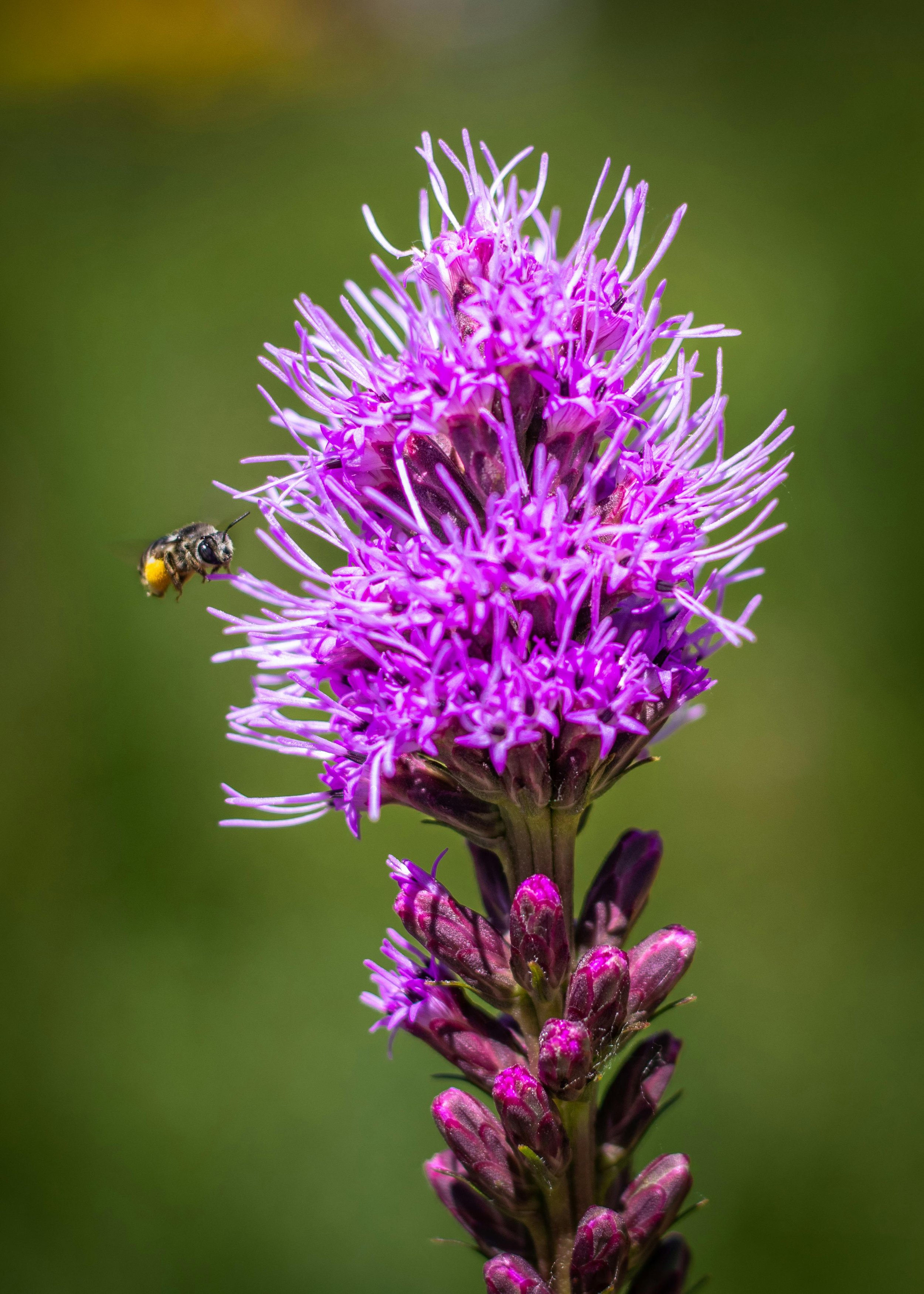
These look like purple fuzzy wands. Unlike most plants that bloom from the bottom up, Liatris blooms from the top down. They are a favorite of the endangered Rusty Patched Bumblebee, which we are lucky enough to still see in parts of Zone 5.
14. Joe Pye Weed (Eutrochium maculatum)
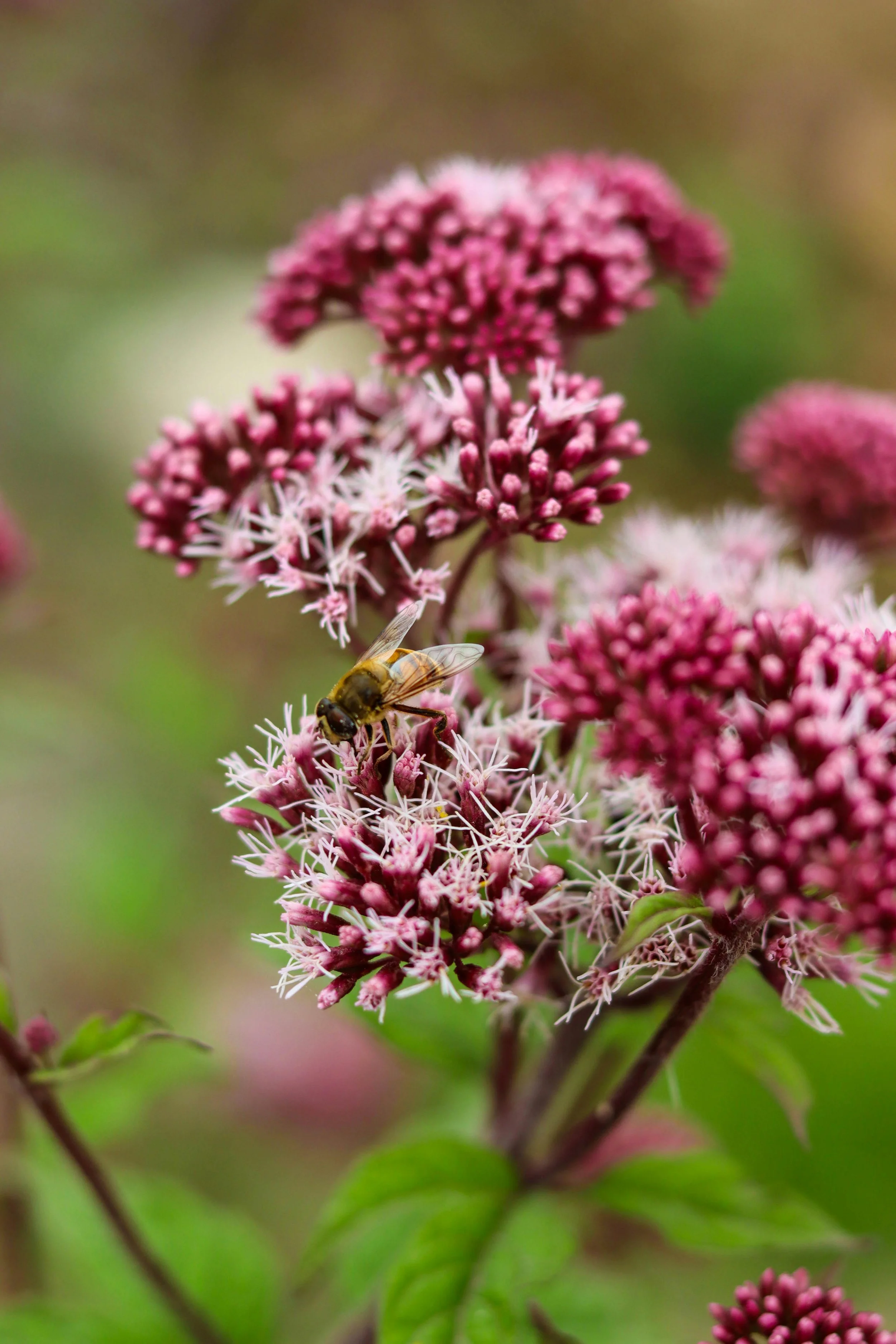
If you have the space, plant Joe Pye. It can get 6 to 8 feet tall! It’s like a skyscraper for butterflies; you’ll often see half a dozen different species jostling for a spot on one flower head.
15. Lavender (Lavandula angustifolia)
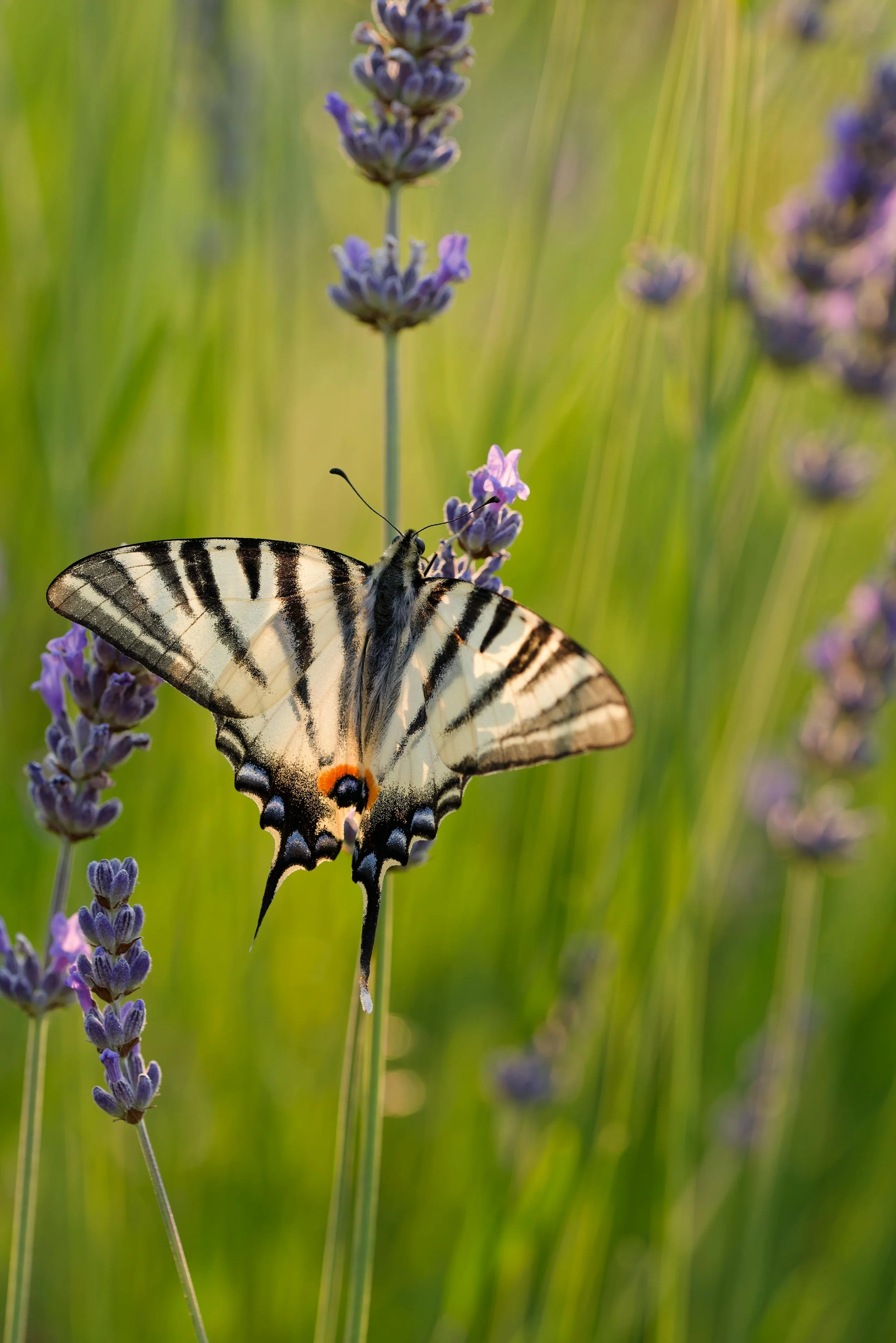
For zone 5, make sure you stick to "English" varieties like 'Munstead' or 'Hidcote'. They need excellent drainage to survive our wet winters, but the honeybees will be eternally grateful if you get them to take hold.
16. Russian Sage (Salvia yangii)
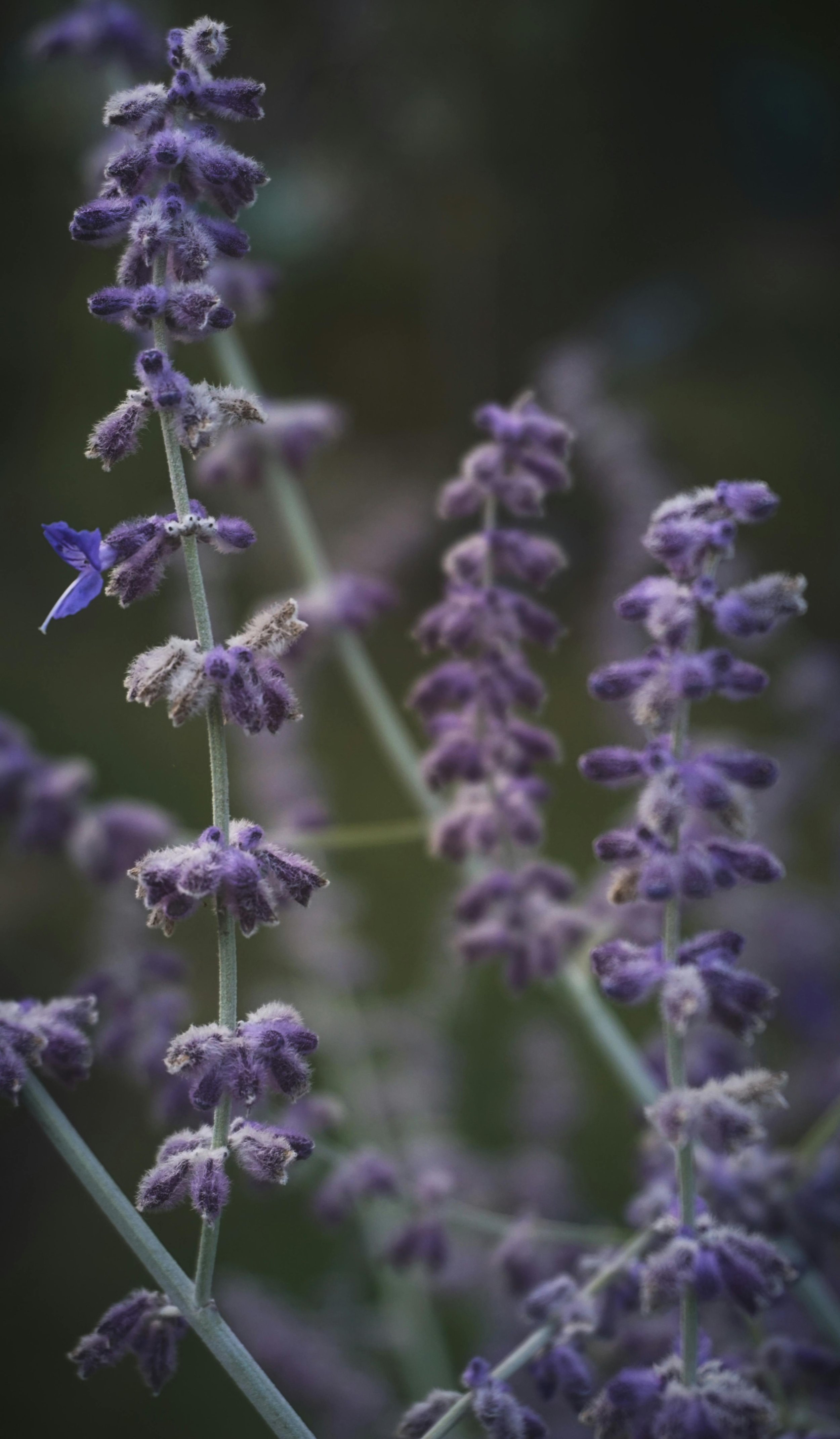
This is for that spot in your yard where the soil is terrible and you always forget to water. It loves the sun, stands up to the wind, and provides airy blue flowers for weeks on end.
17. Buttonbush (Cephalanthus occidentalis)
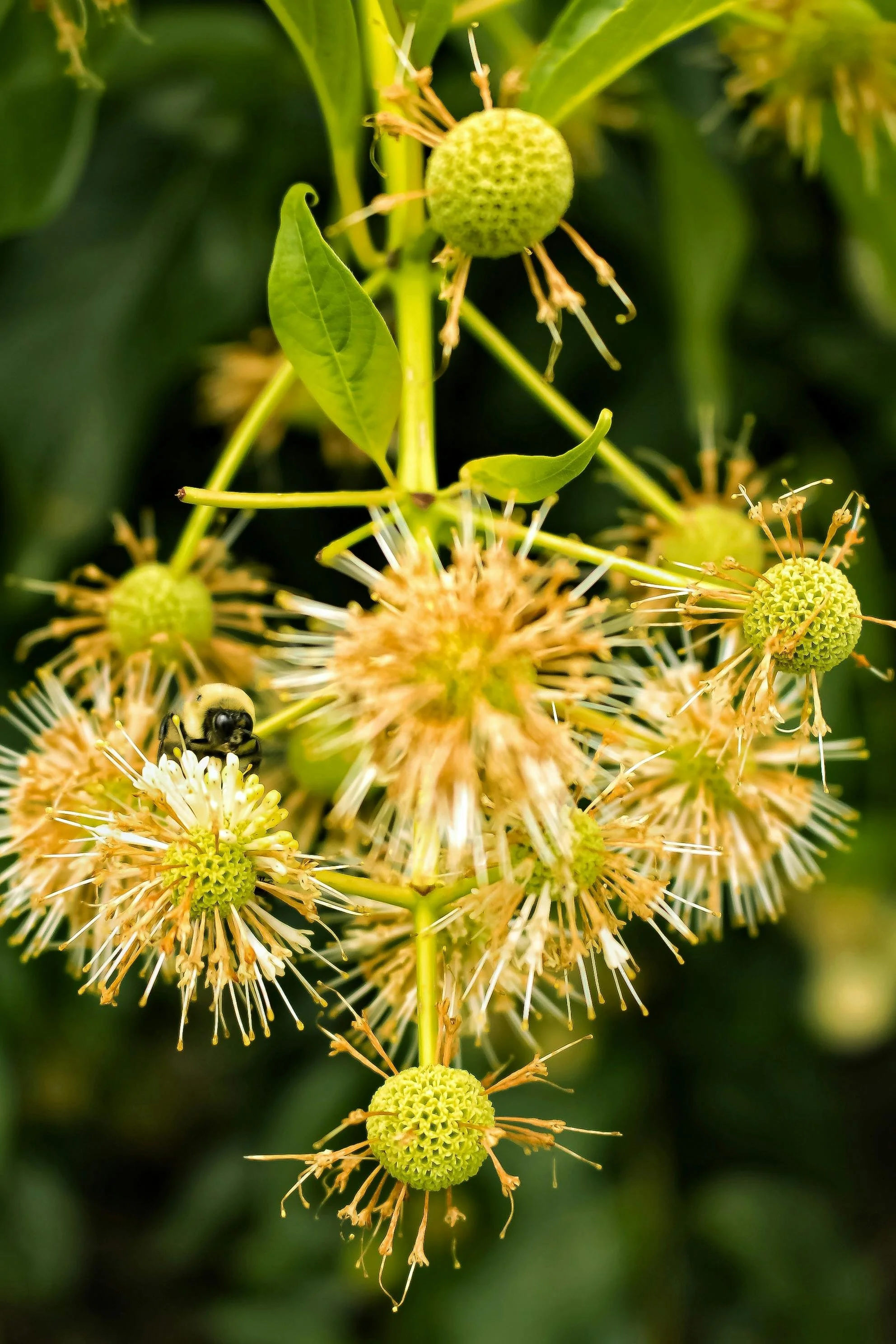
This shrub has the coolest flowers—they look like little white Sputniks. It’s highly fragrant and a massive hit with butterflies. It loves wet "feet," so it’s perfect for low spots.
Late Summer to Fall: The Migration Fuel
This is the "home stretch." Our pollinators need high-energy fuel to either migrate south or settle in for the winter.
18. New England Aster (Symphyotrichum novae-angliae)
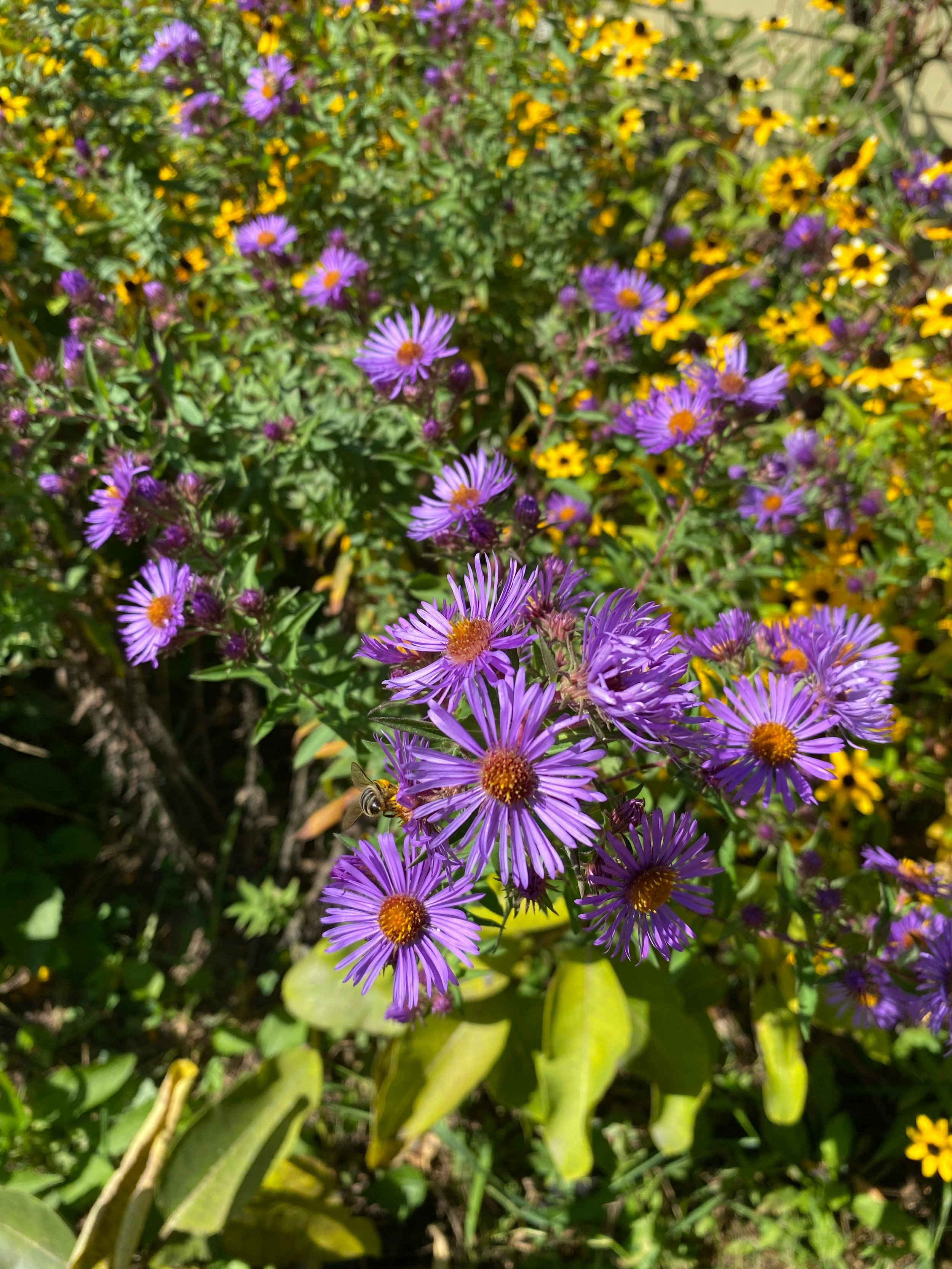
When everything else is starting to look tired, the Asters show up with vibrant purples and pinks. They are essential "gas stations" for Monarchs on their long flight to Mexico.
19. Showy Goldenrod (Solidago speciosa)
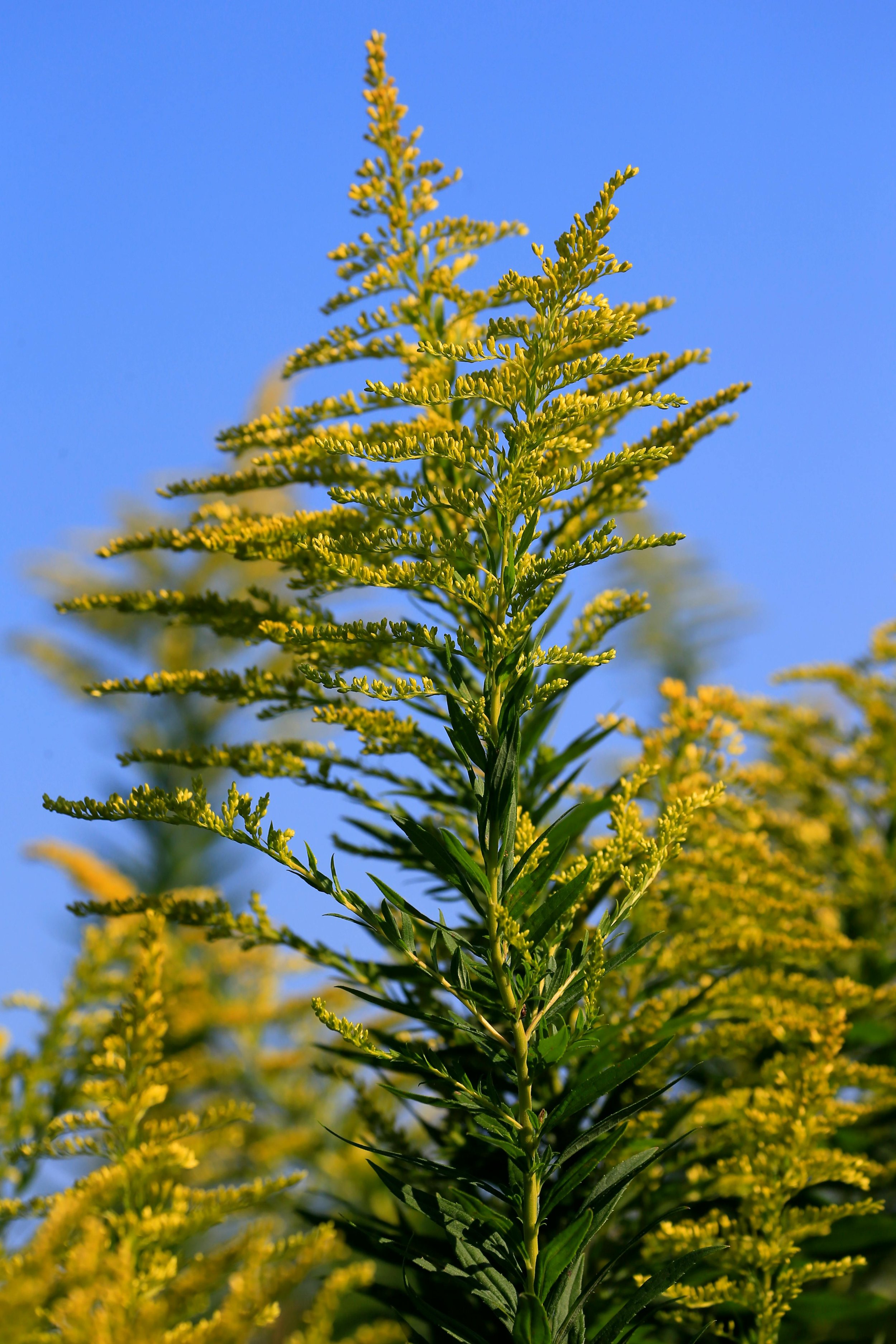
Please don't blame Goldenrod for your allergies—that’s usually Ragweed! Goldenrod is a hero of the fall garden. It’s packed with protein-rich pollen that helps bees survive the winter.
20. Sneezeweed (Helenium autumnale)
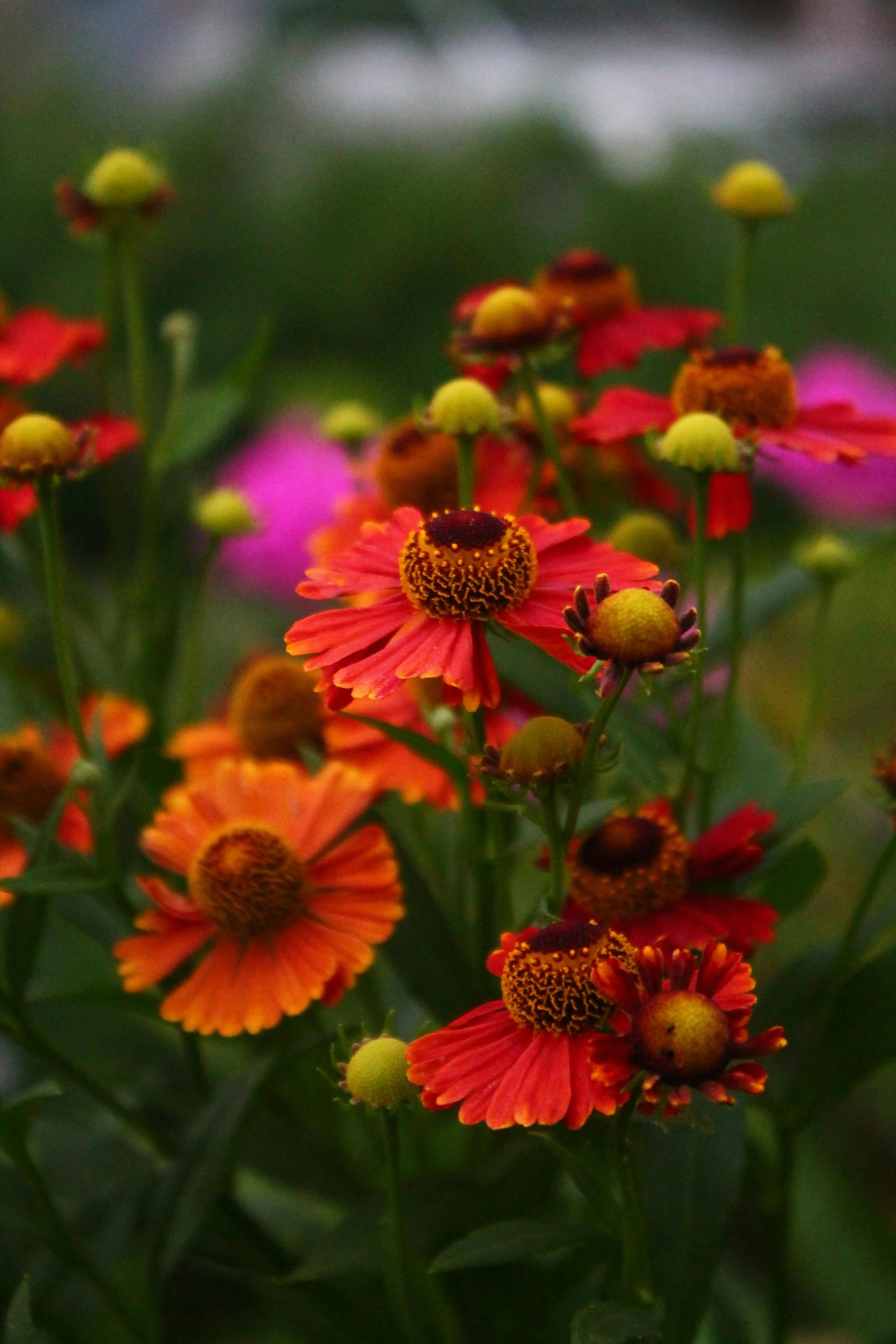
Despite the name, it won't make you sneeze. It offers bright, warm tones (yellows and burnt oranges) and thrives in the cooler, moister soil of autumn.
21. Sedum 'Autumn Joy' (Hylotelephium)
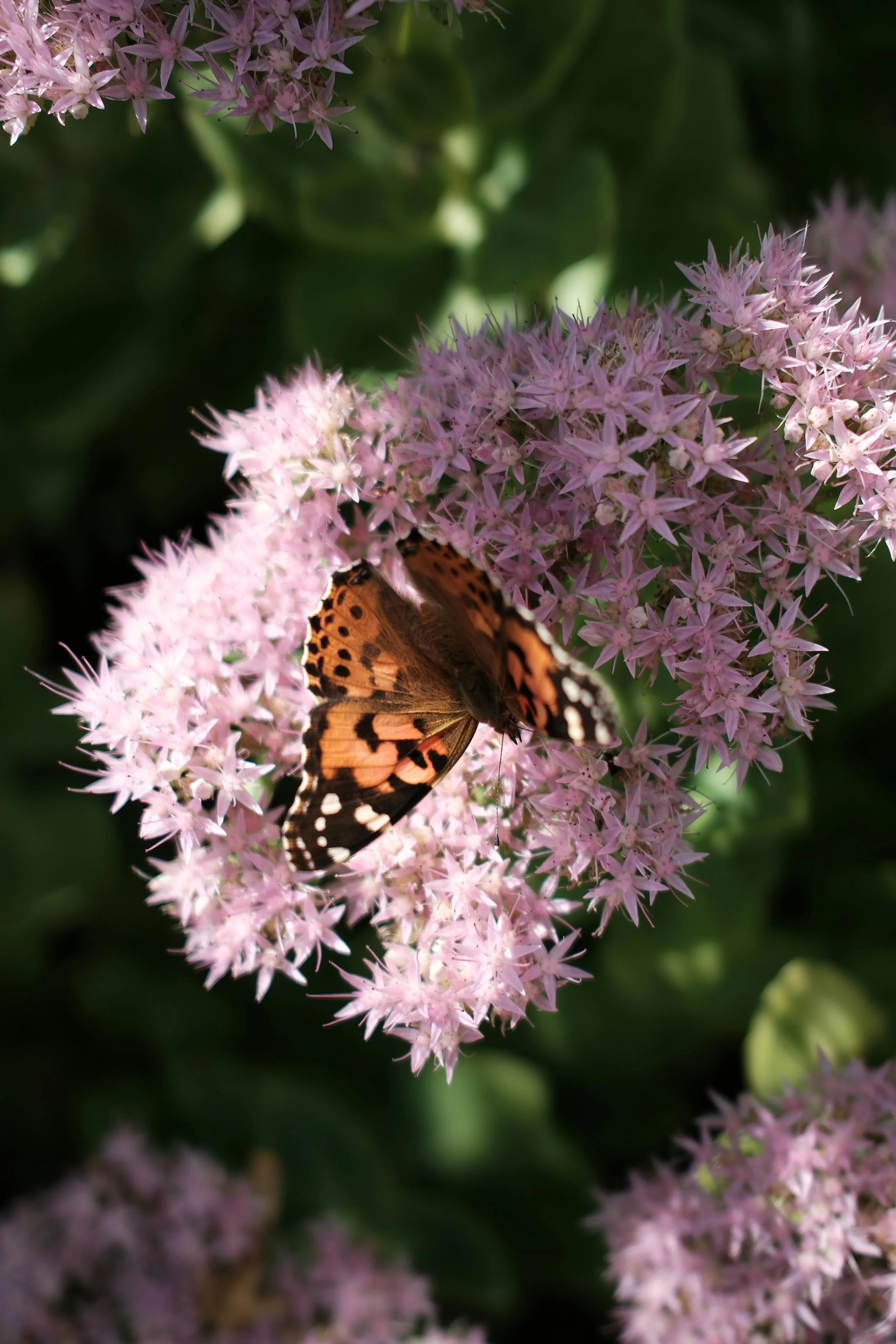
This is the ultimate "low maintenance" fall plant. The broccoli-like heads turn from pink to a deep copper, acting as a perfect flat landing pad for tired butterflies.
The Specialists & Structural Stars
These are the plants that provide something unique, whether it's a specific home for a rare butterfly or year-round structure.
22. Ninebark (Physocarpus opulifolius)
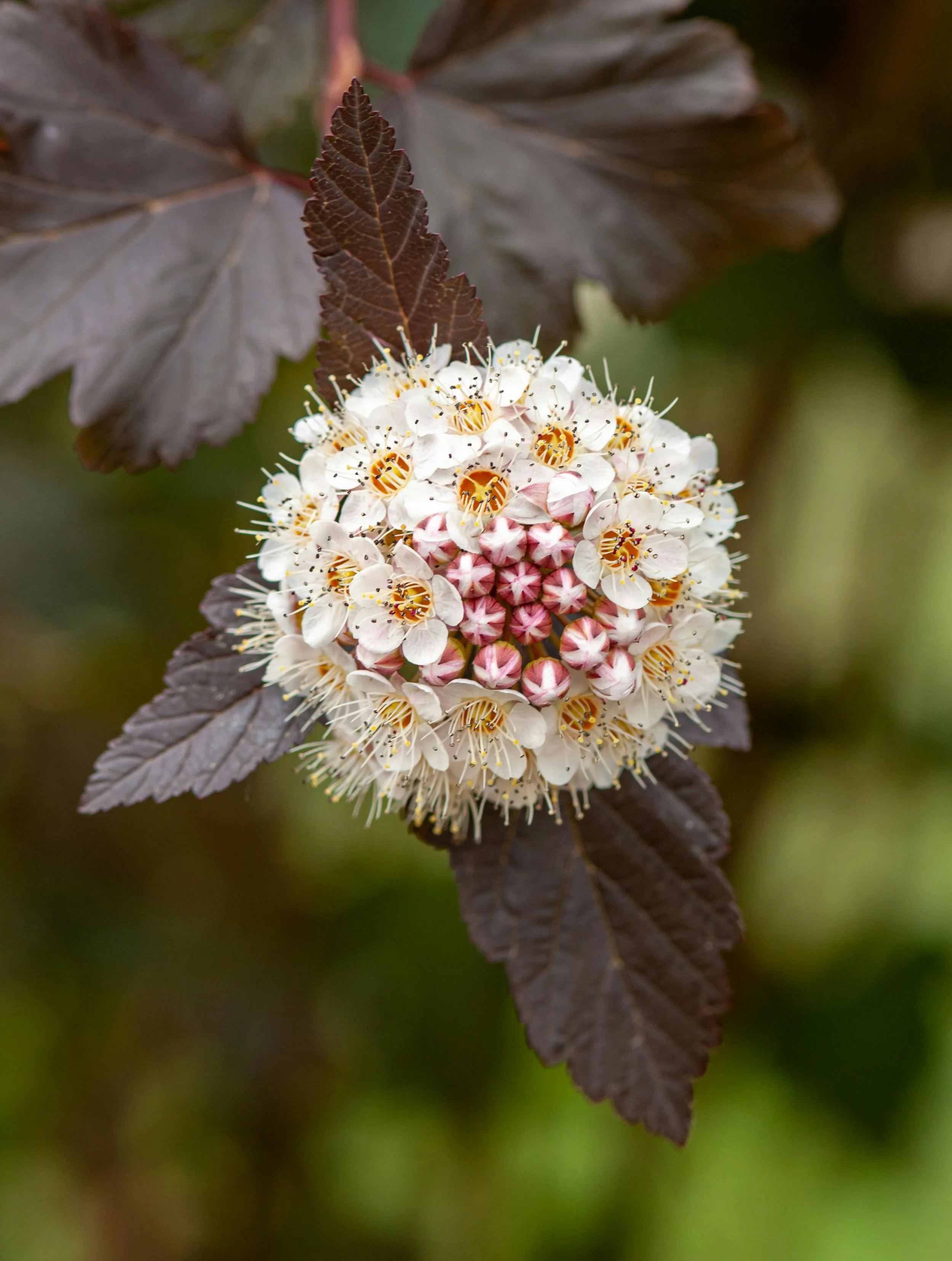
A great native shrub that offers nectar in the spring and dense branches that make perfect nesting sites for birds and beneficial insects.
23. Ironweed (Vernonia fasciculata)
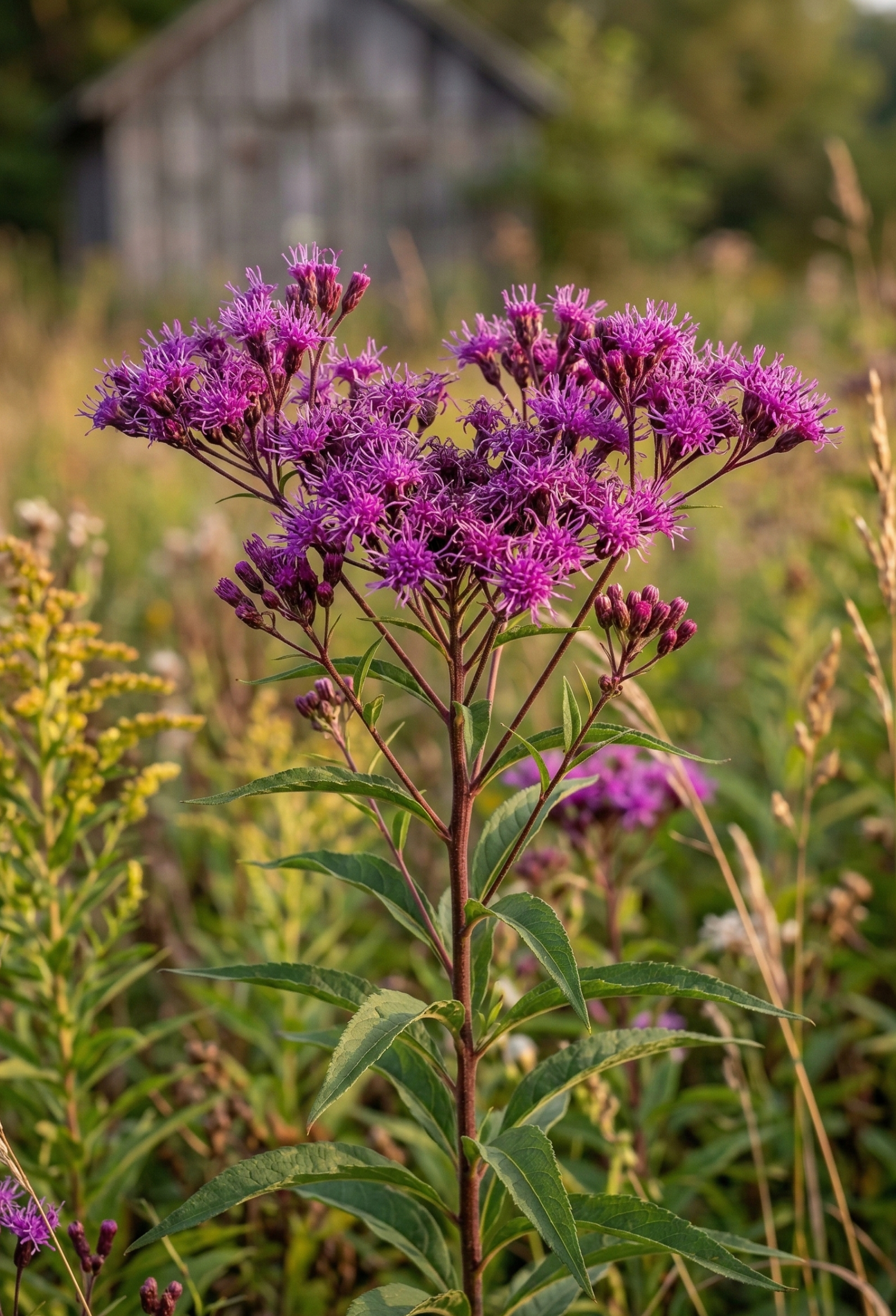
If you love deep, royal purple, you need Ironweed. It stands tall (up to 6 feet) and blooms right alongside Goldenrod for a stunning color contrast.
24. Cardinal Flower (Lobelia cardinalis)
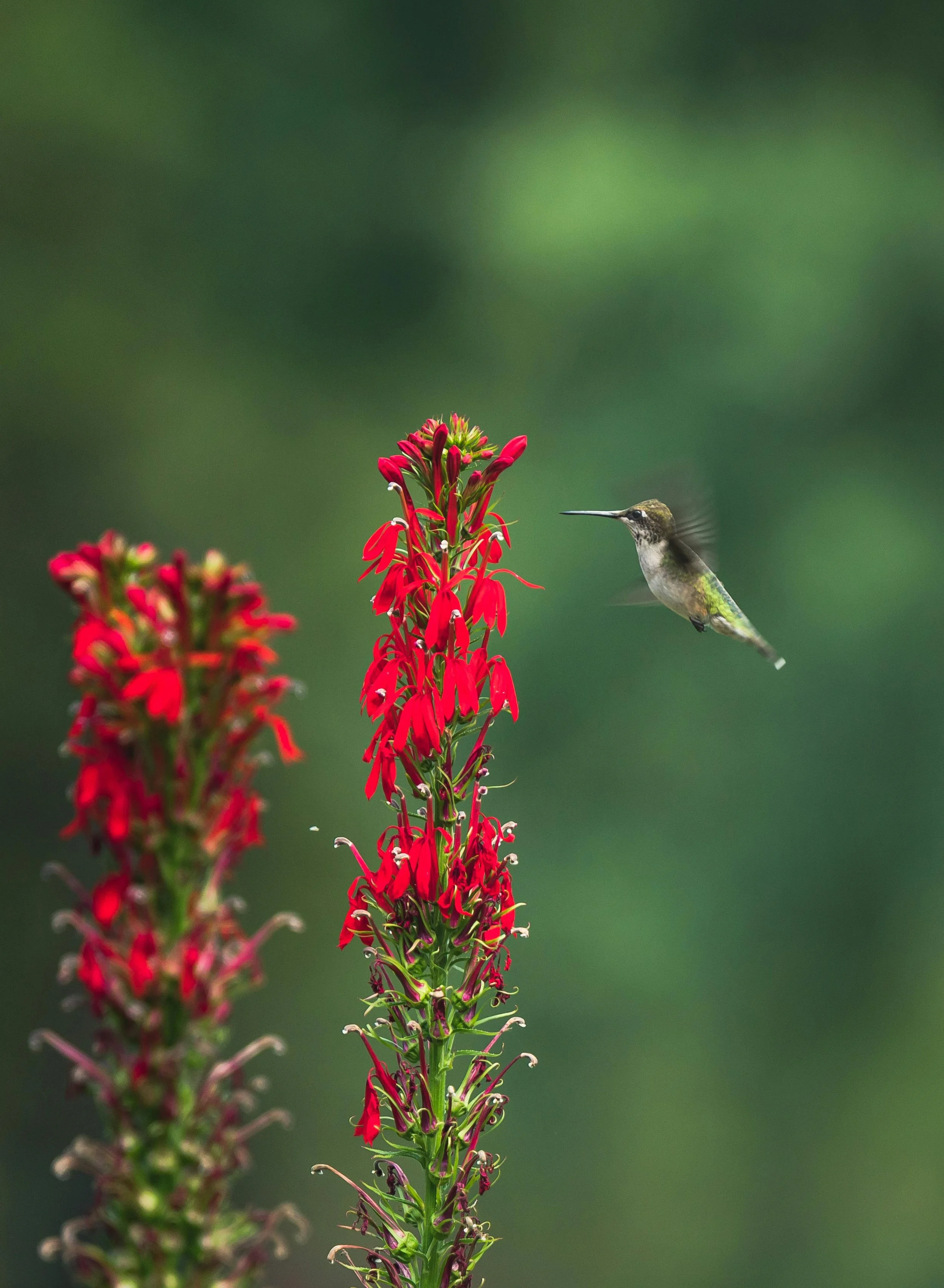
This is the "red-hot" favorite for hummingbirds. It needs a bit of moisture to be happy, but that intense scarlet color is unmatched in the garden.
25. Spicebush (Lindera benzoin)
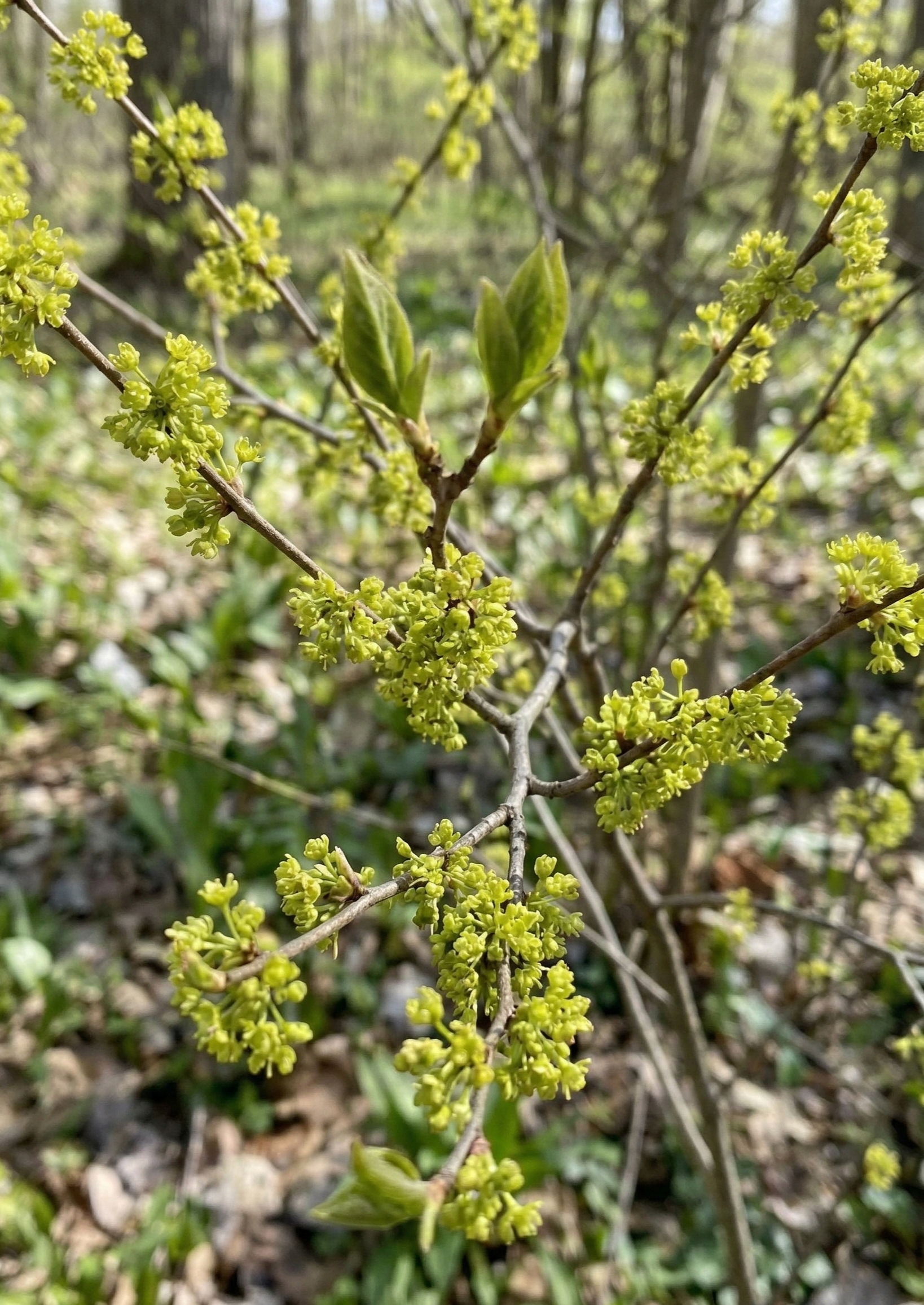
I included this because of the Spicebush Swallowtail butterfly. Their caterpillars are hilarious—they have big "fake eyes" to scare off predators. This shrub is their only home, plus it smells spicy and wonderful.
A Few "Neighborly" Tips for Your Garden
Plant in Drifts: Try to plant at least 3 to 5 of the same thing together. It makes it much easier for a bee flying overhead to spot your "buffet."
Leave the Leaves: I know the urge to tidy up in the fall is strong, but try to wait. Many of our native bees spend the winter tucked into hollow stems or under leaf litter. I wait until it’s consistently 50 degrees (F) in the spring before I do my big cleanup.
Watering: Even the "drought-tolerant" stars on this list need a little extra love and water during their first year. Once they survive their first Zone 5 winter, they’ll be much more self-sufficient.
Creating a pollinator garden isn't just about the flowers.. it's about joining a larger cycle of life.
Every time I see a Monarch land on my Milkweed, I know all that digging was worth it.