

7 Signs That Tell Neighbors Your Lawn Is Intentional
If you've ever stood at the edge of your front yard wondering whether the neighbors think you've given up— you're in good company.
It's one of the quiet costs of letting native plants take over: your yard doesn't read as a "yard" anymore. To you, it's a pollinator buffet. To the person walking by with their golden retriever, it might just look like the lawn got away from you.
The fix isn't to cut everything down. The fix is to send a clearer signal that your yard is on purpose. The research backs this up— landscape ecologists have a name for these signals: cues to care. They're the small visual choices that tell passersby "a person is paying attention here," even when the plants themselves look wild.
Here are seven of them, in roughly the order I'd add them to a yard you're just starting to rewild.
1. A clearly placed habitat sign
This is the most direct cue, and the one that does the most work for the least effort. A small, well-made sign near the sidewalk or front border tells every passerby — neighbors, walkers, the mail carrier — that your yard is for something: pollinators, fireflies, native birds, or all three.
A sign also gives nosy neighbors a polite answer before they ever knock on your door. Instead of "what's going on with your lawn," they read "Pollinator habitat — please don't spray." Conversation over.
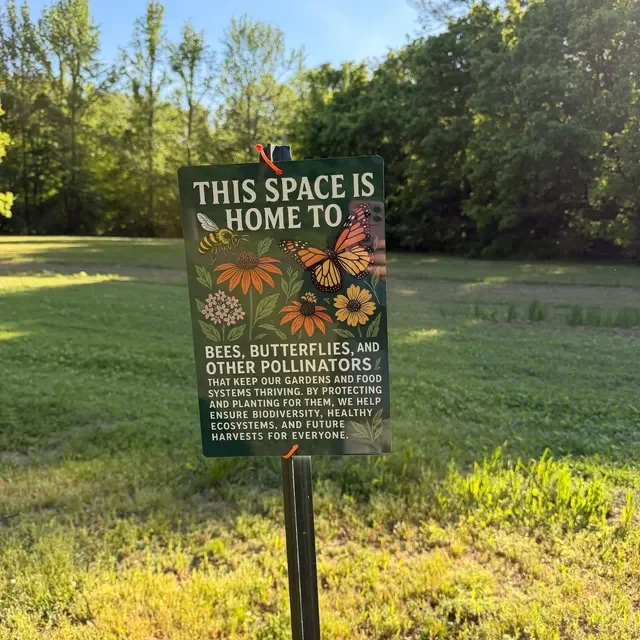
Looking for one? Our Pollinator Habitat Sign and Firefly Habitat Sign are hand-illustrated, printed on outdoor-rated aluminum, and made in the USA.
2. A mowed buffer along the sidewalk and driveway
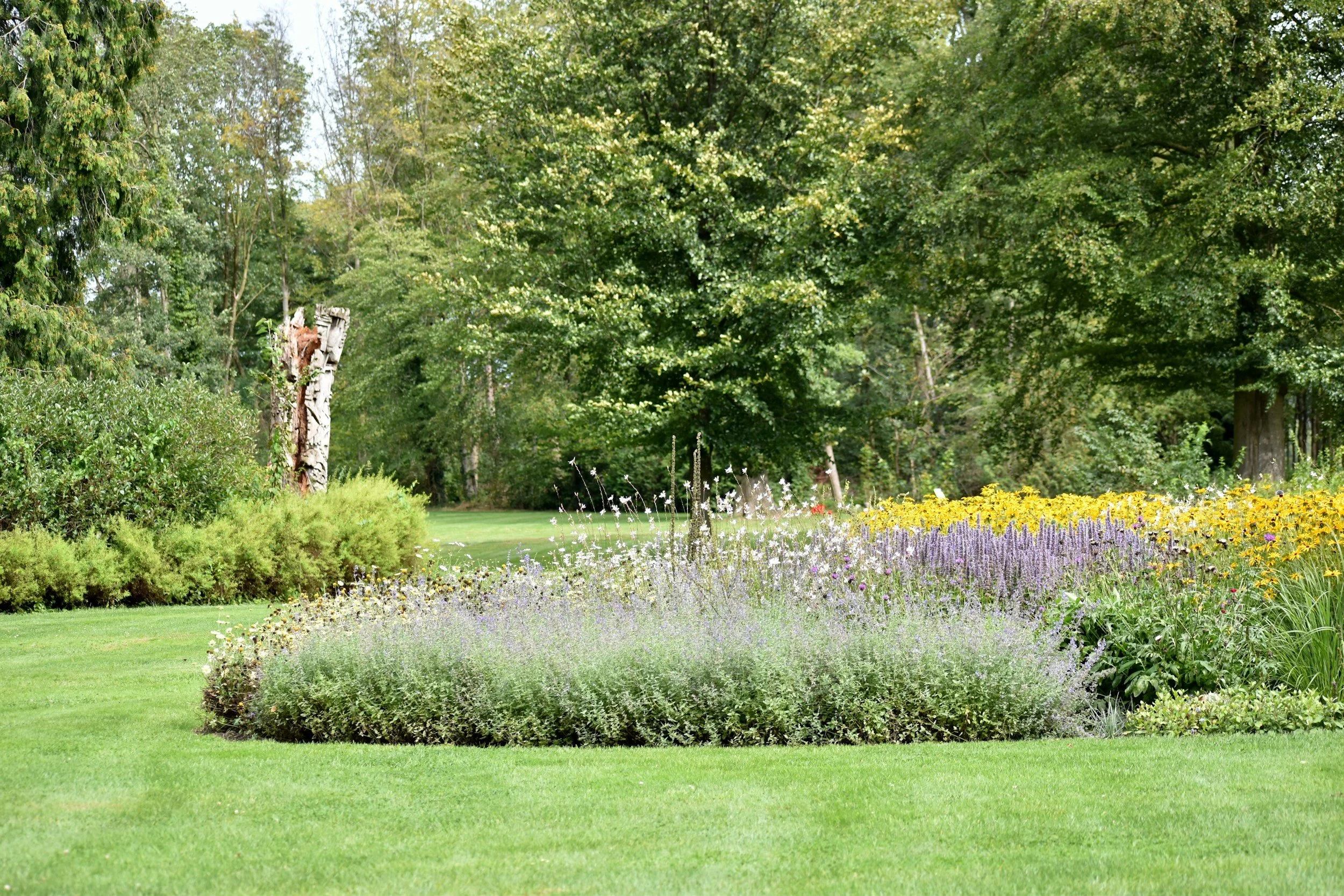
Even a 12-to-18-inch strip of mowed grass between your wild planting and the public sidewalk reads as deliberate. It's the visual equivalent of a picture frame: it tells the eye "this messy thing inside is the art, and I'm framing it for you."
If you don't have grass to mow, a strip of mulch, gravel, or low groundcover does the same job. The point is the line, not the material.
3. Defined edges and pathways
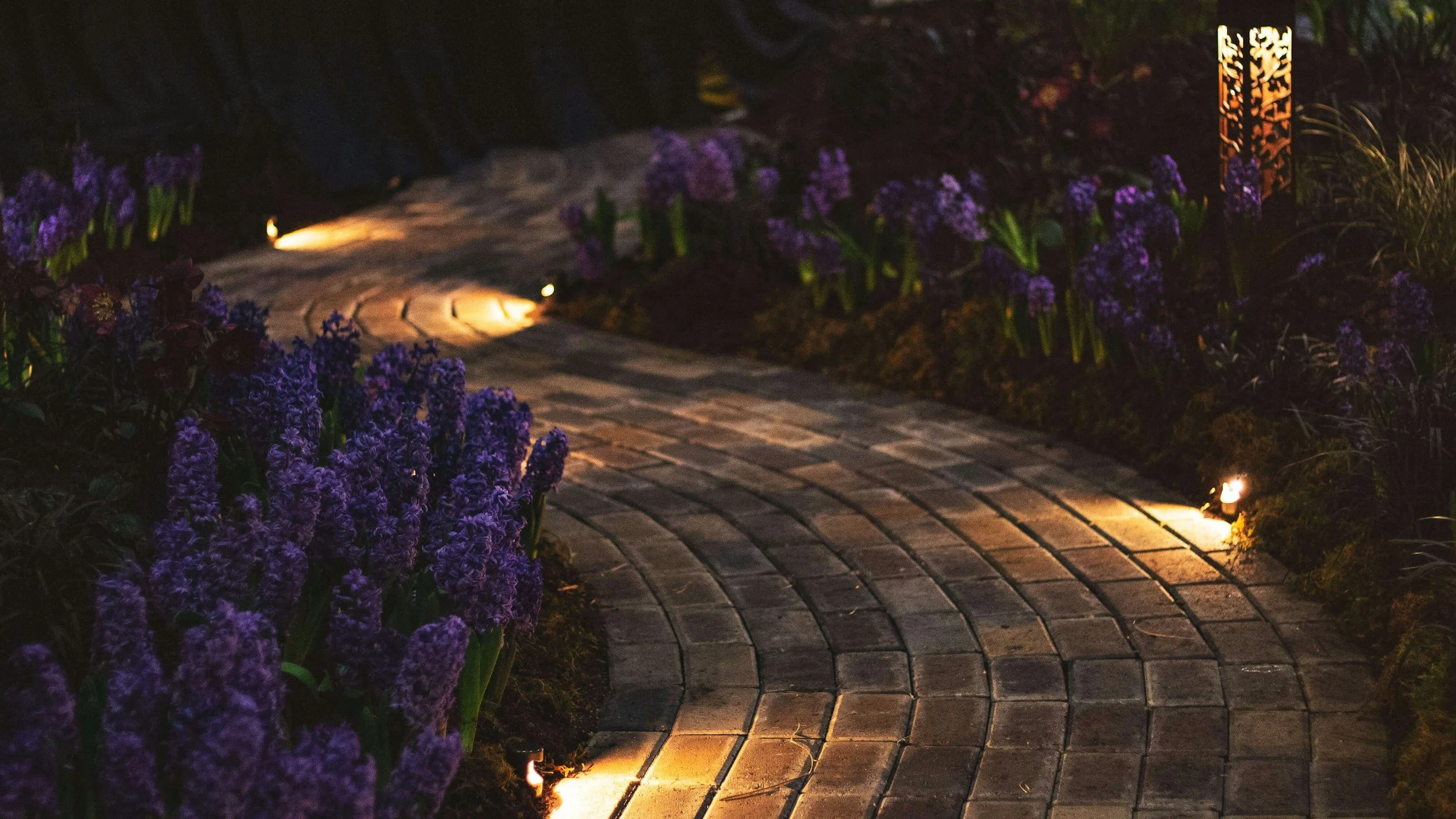
Curving stone paths, brick edging, even a single line of pavers makes a wild planting read as a garden instead of a vacant lot. You don't need a landscape designer — you need an edge.
A weekend's worth of stones from your local landscape supplier does it. So does a row of bricks half-buried at the soil line.
4. A custom sign with your family name, the year, or your garden's "name"
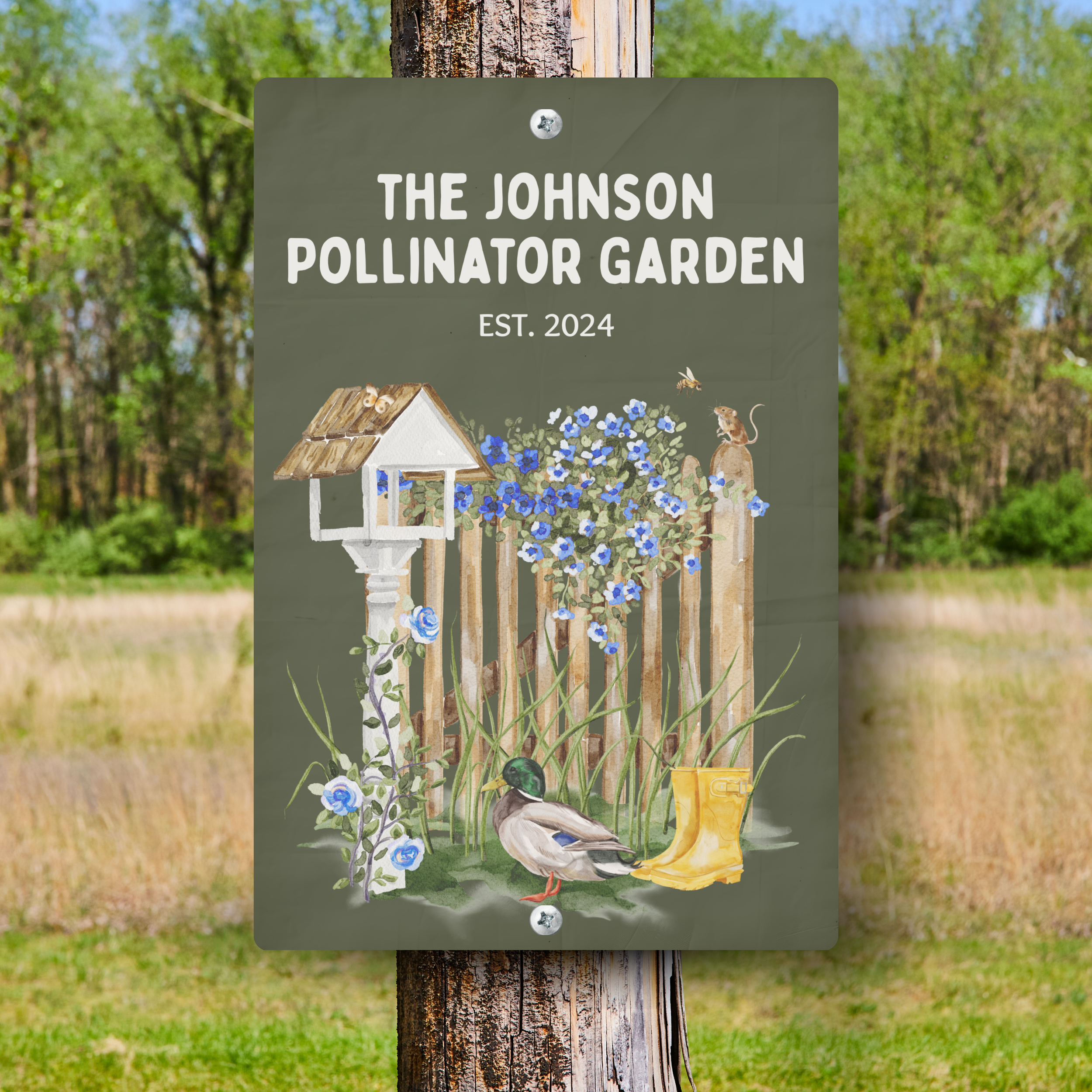
This one surprises people. A small sign that says "The Johnson Pollinator Garden — Est. 2024" does something a generic sign can't: it makes the yard feel claimed. Loved. Tended.
It signals that someone— a specific someone— is paying attention. That's the strongest cue to care there is.
We make Custom Garden Signs with your name, a date, or a short phrase, hand-illustrated to match your yard's personality. They're a great housewarming or anniversary gift, too.
5. A "No Mow May" or seasonal explanation sign
If you participate in No Mow May, Leave the Leaves, or any seasonal practice that briefly looks like neglect to outside eyes, a temporary sign is your best friend. It tells neighbors why the grass is tall this month and when it'll change. Most people are fine with weird as long as they understand it.
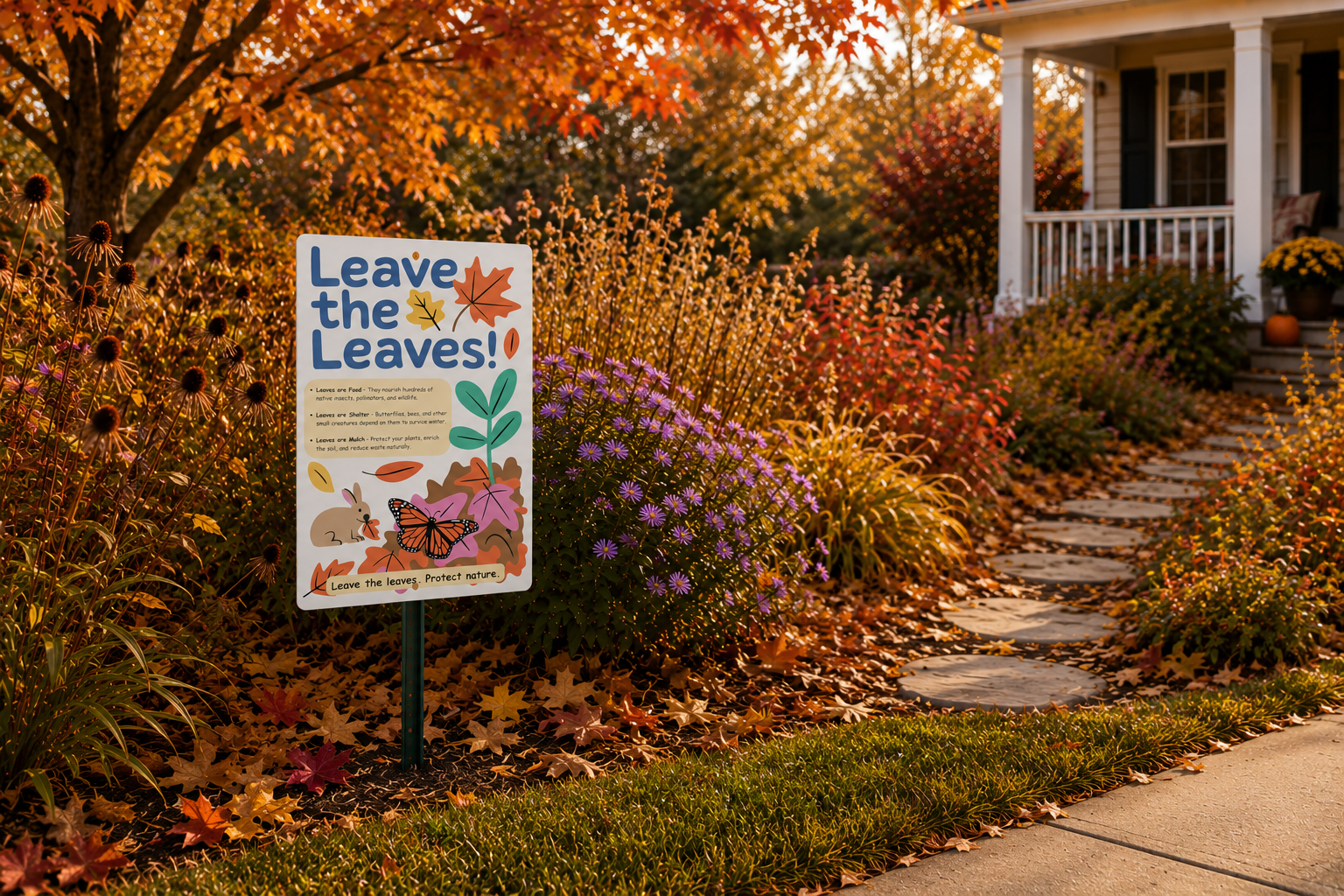
Our Leave the Leaves Sign is small, outdoor-rated, and easy to swap out when the month ends.
6. A native-plant ID marker (or a few)
A row of small markers calling out your pasque flower, your milkweed, your little bluestem— these turn your yard into a museum exhibit instead of a mystery. They invite neighbors to look closer instead of glance away.
You can DIY these with cedar stakes and a wood-burner, or use a printed native plant illustration sign that names several species at once.
7. Visible care, even when there's nothing to "do"
This is the most underrated one. Just being seen in your yard— kneeling, pulling, watering, walking around with a notebook— is itself a cue to care. Neighbors who see you tending the space stop reading it as abandoned, even before any of the other six items are in place.
A welcome sign, a simple bench, a watering can left visible on the porch— these all read as "a person lives here who loves this yard." Sometimes the cue isn't on the lawn. It's around it.
A note on the bigger picture
Native-plant yards aren't just about aesthetics. Your one yard, when it's full of milkweed and asters and goldenrod, can host hundreds of species of native bees, dozens of species of moths, and the migrating monarchs that have lost more than 80% of their habitat in the last 25 years.
The cues to care above aren't about apologizing for that work. They're about communicating it. The neighbors aren't your enemy— most of them have just never been told what a healthy yard looks like in 2026.
A small sign at the sidewalk does that telling for you, every day, while you're inside making coffee.
Make your yard read "intentional" this weekend
If you want to pick one of these to start with, start with the sign. It's the lowest-effort, highest-impact change of the seven. Once it's up, the rest of the cues feel optional instead of required— because the most important question (*what is going on here?*) has already been answered.
Each one is hand-illustrated, printed on outdoor-rated aluminum, and made in the USA. We make them small enough to feel personal and sturdy enough to outlast the seasons.
Your yard is doing real ecological work. Let your neighbors know.